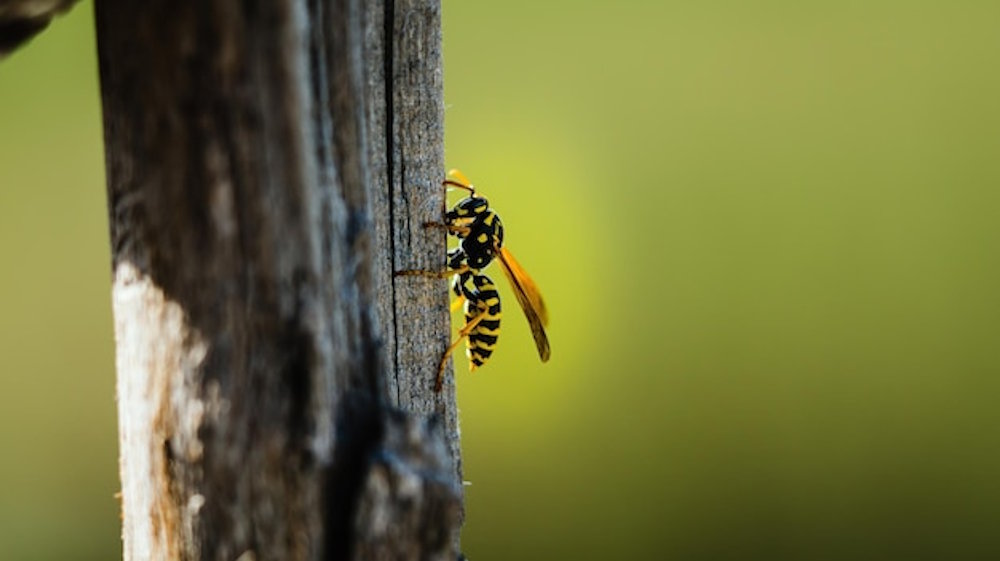
What Attracts Wasps to My Garden Every Summer?
Wasps can be a nuisance in the garden during the summer months. Their buzzing around your plants or even your picnic can make outdoor activities less enjoyable. But why do they seem to appear year after year, particularly in the warmer months? Understanding what attracts wasps to your garden can help you minimise their presence and enjoy a wasp-free summer.
The Role of Food in Attracting Wasps
1. Sweet Foods and Drinks
Wasps are drawn to sweet substances. In the summer, they are attracted to sugary foods and drinks. It can include fruit, soft drinks, juices, or even sugary snacks left unattended outside. Wasps feed on these sugary items to help sustain the colony during their reproductive cycle.
If you have a garden with fruit trees, you might notice wasps gathering around fallen fruit. They are attracted not only to the sugars in the fruit but also to the fermentation process that occurs as the fruit rots. This fermented fruit provides an ideal source of nourishment for wasps.
2. Protein Sources
In addition to sugary foods, wasps are attracted to protein-rich substances. It is why you may notice an increase in wasp activity around barbecues, picnics, or any area where meat is being prepared or consumed. Wasps need protein to feed their larvae, and they often seek out these protein-rich foods to bring back to their nests.
Even if you aren’t eating outdoors, your garden itself can attract wasps if it contains natural protein sources, such as insects, which they hunt for food. Wasps are excellent predators and often patrol gardens searching for prey.
Nesting Sites
3. Potential Nesting Locations
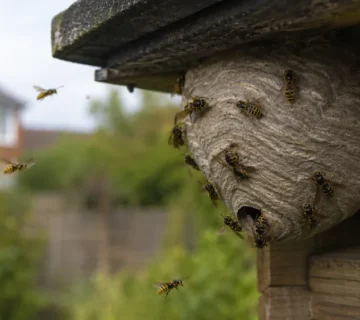
Wasps are more likely to frequent a garden if there are suitable nesting sites nearby. Wasps build their nests in various locations, such as in trees, eaves, sheds, or even under the ground. If you have a garden with dense shrubbery or structures that offer shelter, you may be unknowingly providing an ideal space for a wasp nest.
Nesting sites can range from quiet corners of your garden to hidden spaces under the roof or in the attic. Once wasps identify a suitable spot, they will return each year to build or rebuild their nests.
4. Warm, Secluded Areas
Wasps prefer warm environments, which is why they are most active in the summer. During this time, they look for sheltered spots to establish their nests. Areas with good sun exposure or areas that stay relatively undisturbed, such as under decking or behind fences, are prime real estate for wasps seeking shelter.
The warmth of these secluded spots aids in the development of their larvae, making them particularly attractive for nesting.
The Importance of Water Sources
5. Accessible Water
Wasps also need water to survive, and your garden may provide this essential resource. Any pools, birdbaths, or even garden ponds can attract wasps seeking hydration. Wasps often visit these water sources during the hotter months, especially if there is little rainfall.
Even if you don’t have a visible water source in your garden, wasps will find any available water in your environment, such as from leaky garden taps or standing water in containers.
Environmental Factors and Surroundings
6. Nearby Wasp Colonies
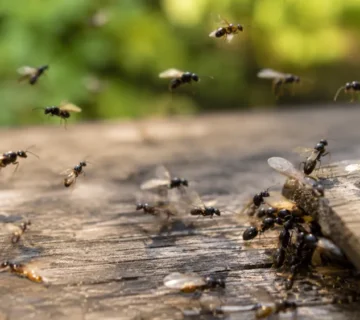
If you have an active wasp colony in your vicinity, it’s likely that more wasps will visit your garden. Wasps are known to establish nests in a variety of locations, and if there is an existing nest nearby, the attraction for wasps increases. They will patrol the surrounding areas looking for food and water, which is why a nearby colony can create an increase in wasp activity in your garden.
7. Climate Conditions
The weather plays a significant role in wasp activity. During the warmer months, wasps are more active and are looking for food, water, and suitable nesting sites. Gardens with sunny, sheltered spots provide the ideal environment for these insects. Additionally, drought conditions may push wasps to seek out more reliable sources of water, which may lead them to your garden.
How to Prevent Wasps from Invading Your Garden
If you want to minimise wasp activity in your garden, there are several strategies you can adopt:
1. Remove Food Sources
Ensure that food scraps, especially sweet drinks and fruit, are cleared away promptly. Consider placing food indoors or in sealed containers during picnics. If you have fruit trees, regularly collect fallen fruit to reduce the attraction for wasps.
2. Eliminate Potential Nesting Sites
Inspect your garden for potential nesting sites, such as hollow trees, cracks in the roof, or hidden corners in sheds. Seal any openings and repair any damaged areas that could serve as entry points for wasps.
3. Manage Water Sources
If you have a birdbath or pond, change the water regularly. If you notice excessive wasp activity around these areas, try covering the water source when not in use or placing it in a less accessible part of the garden.
4. Use Deterrents
Consider using wasp repellents or decoys, such as fake nests, to deter wasps from entering your garden. Wasps are territorial, and seeing a “rival” nest can discourage them from establishing their own nearby.
5. Professional Pest Control
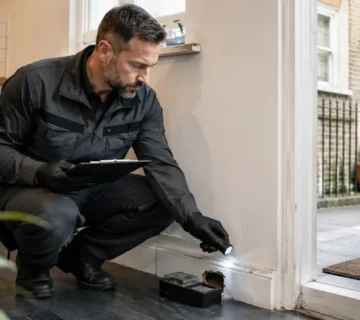
If wasps continue to be a problem despite your efforts, consider contacting a professional pest control company. They can assess your garden for potential nests and provide solutions for safely removing them.
Conclusion
Wasps are drawn to gardens that offer food, water, and ideal nesting spots. By understanding what attracts these pests, you can take steps to minimise their presence and enjoy your garden without the buzzing interruptions. From keeping food and water sources under control to eliminating nesting sites, a proactive approach can help keep your garden wasp-free. Should the problem persist, a professional pest control service can help you safely manage the issue, ensuring you can make the most of your outdoor space without worrying about wasps.