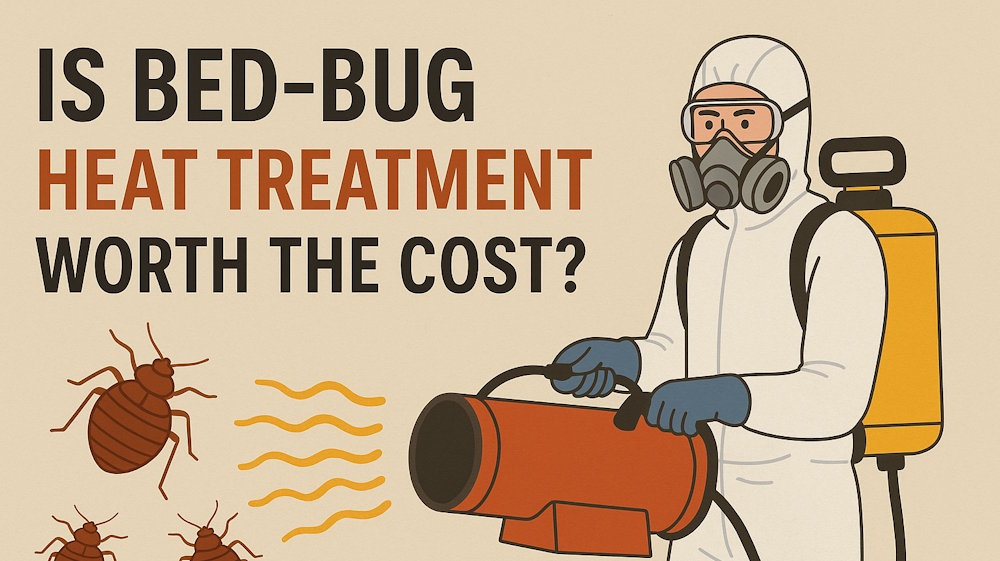
Is Bed-Bug Heat Treatment Worth the Cost?
A bed bug infestation can be distressing, and finding an efficient solution is key to restoring your peace of mind. Heat treatment has become a popular method for tackling these pests. But is it truly worth the expense? In this article, we will examine the pros and cons of bed-bug heat treatment and help you decide if it’s the best option for eliminating these persistent pests from your home.
How Bed-Bug Heat Treatment Works
Heat treatment involves raising the temperature of a space to levels lethal to bed bugs. Typically, this means bringing the temperature up to 50°C or higher. At these temperatures, all stages of bed bugs — from eggs to adults — die within a short period. The process targets areas where these pests are hiding, including cracks, crevices, mattresses, and upholstered furniture.
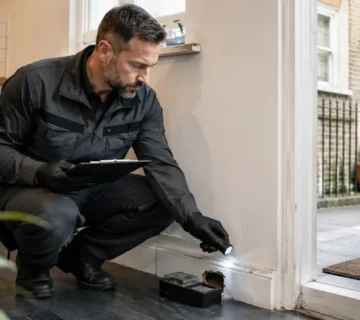
Professional pest controllers use specialised equipment to ensure that every corner of the affected area reaches the required temperature. Once the treatment is complete, the area is usually safe to re-enter, as no toxic chemicals are involved. The entire process typically takes several hours to complete, depending on the size of the property.
Why Consider Heat Treatment for Bed Bugs?
1. Fast and Efficient Results
One of the advantages of heat treatment is the speed. Unlike traditional pest control methods that may take days or weeks to eradicate an infestation, heat treatment often works in a matter of hours. The heat reaches even the most difficult-to-reach areas, ensuring that all bed bugs, including eggs, are eradicated in a single session.
It makes heat treatment particularly appealing for those needing a quick solution. If you need to resolve the issue swiftly and with minimal disruption to your life, heat treatment offers an efficient, one-time treatment.
2. No Chemicals Involved
Another compelling benefit is that heat treatment is a chemical-free approach. For many homeowners, the idea of using toxic pesticides around the home is concerning. Heat treatment poses no such risks, as it relies solely on high temperatures to eliminate bed bugs. It makes it a safer alternative for households that want to avoid chemical exposure.
3. Penetrates All Areas of the Home
Heat treatment is thorough. Unlike sprays or dust treatments, which might miss bed bugs hiding deep inside walls, furniture, or electrical outlets, heat effectively penetrates all areas of your home. It can reach places that are often inaccessible, ensuring that even the most well-hidden bed bugs are killed. This thoroughness is one of the primary reasons people opt for heat treatments over other pest control methods.
The Drawbacks of Bed-Bug Heat Treatment
1. High Initial Cost
The most significant drawback of heat treatment is its cost. Bed-bug heat treatments tend to be more expensive than traditional pest control methods. This price difference can be attributed to the specialised equipment and the expertise required to carry out the treatment effectively. Larger properties may incur additional charges due to the time and resources needed to complete the treatment.
If you’re working with a limited budget or if the infestation is small, traditional treatments like sprays or traps may offer a more affordable solution.
2. Requires Professional Help
Heat treatment is not a DIY solution. It requires specialised equipment that most homeowners don’t have access to. Therefore, you will need to hire a professional pest control company to carry out the procedure. Not only will this increase the cost, but you’ll also need to prepare your home properly for the treatment, such as removing heat-sensitive items (electronics, plants, etc.).
This preparation may require more effort and planning, making the process slightly more inconvenient than other options.
3. Possible Incomplete Treatment
While heat treatment is highly effective, there are still risks of incomplete eradication. Heat must be applied uniformly across the entire infested area. In large homes or buildings with multiple rooms, there’s a chance that some parts of the property may not reach the required temperature. If you miss certain areas, there’s a risk that some bed bugs may survive and repopulate.
Additionally, heat treatment may not work as well if there is insufficient airflow or if the space is obstructed by furniture or other items. In such cases, a follow-up treatment or a combination of heat and chemical treatments might be necessary.
Should You Choose Bed-Bug Heat Treatment?
The decision to opt for bed-bug heat treatment ultimately depends on the severity of the infestation and your specific needs. If you’re facing a significant or widespread bed bug problem, heat treatment may offer a quick and effective solution. It’s ideal for those looking for a comprehensive treatment that doesn’t involve harmful chemicals.
However, for those with a more modest infestation or who are concerned about the cost, traditional treatments may still be effective. A pest control professional can help assess the extent of the infestation and advise you on the best course of action.
Conclusion
Bed-bug heat treatment can be an excellent option for getting rid of bed bugs. Its ability to treat all life stages of the pest and avoid harmful chemicals makes it an attractive choice for many homeowners. However, the high cost and the need for professional equipment may make it less appealing for those on a tight budget. If you’re struggling with a bed bug infestation, consulting with a professional pest control company is your best first step in finding the most effective solution.