Do Flying Ants Mean I Have a Nest Nearby?
Seeing flying ants in your home or garden can be unsettling. You may wonder if this signals the presence of a nest nearby. Flying ants, also known as reproductive ants, are typically seen during their mating season. However, their presence can sometimes indicate an underlying issue. Let’s break down the causes, signs, and what steps you should take to control them.
Understanding Flying Ants
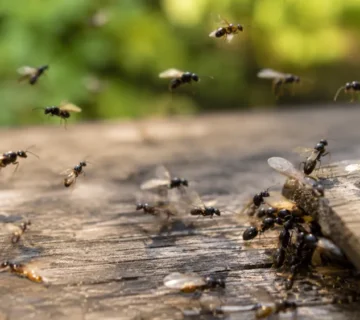
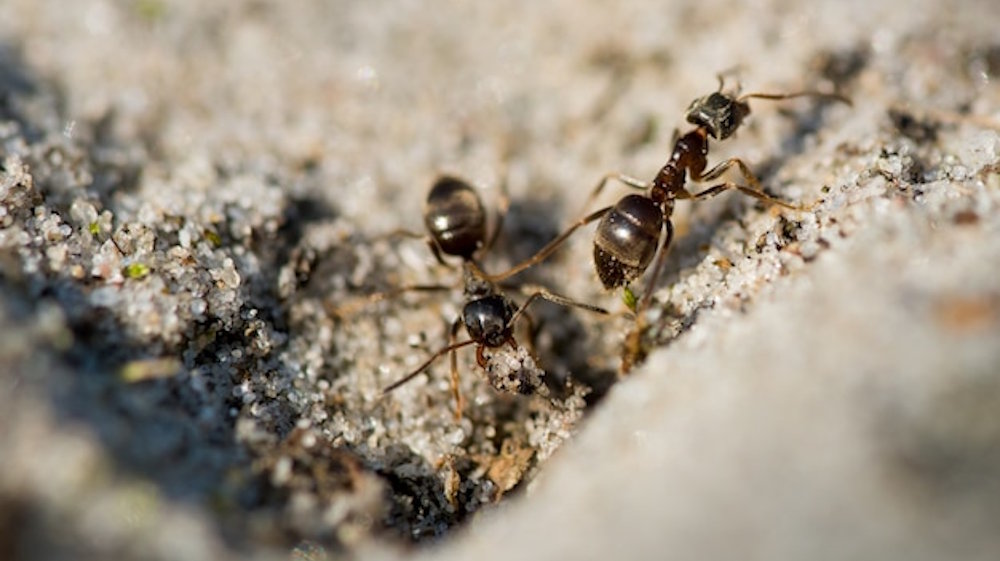
Flying ants are a specific type of ant that leave their nests in large numbers to mate. These are typically winged males and queens, whose sole purpose is reproduction. This event is known as a nuptial flight. It happens during the warmer months, usually in late summer. The flying ants are drawn to light. You may spot them near windows or under lights in your home.
However, the presence of these flying ants might mean more than just a seasonal spectacle. If you notice large numbers of them in your home or on your property, it could be a sign that there’s an ant nest nearby. It is especially true if the ants are swarming indoors.
Do Flying Ants Always Mean a Nest Nearby?
Flying ants don’t always indicate a nest in your home. They could simply be passing through. However, if you’re noticing them consistently or in large swarms, there’s a strong chance that there is an active nest close by. Nests are in the ground, but ants can also create them in wall cavities, under floorboards, or in insulation.
If you see flying ants only once or twice, it might not be a cause for concern. But if the swarming continues or intensifies, it’s a clear indicator that the colony is thriving, and you likely have a nest nearby. Ants are territorial. They typically build nests in places where they can find a stable food source and protection. These nests can grow into large colonies that sometimes extend deep into the structure of your home or garden.
How to Identify an Ant Nest
Finding the nest can be tricky, especially if it’s hidden in an inaccessible part of your property. However, there are several tell-tale signs to look out for:
- Ant Trails: If you notice a line of ants entering and leaving your home consistently, it’s a sign they are coming from a nest. The trail will often lead to cracks or gaps in your walls, floors, or windowsills.
- Swarms of Flying Ants: The larger the swarm, the closer the nest. If you see hundreds or thousands of flying ants, the nest is likely not far away. They’ll be looking for a place to mate and establish new colonies.
- Holes in the Ground: You can find ant nests in gardens. If you notice small holes in the ground, with ants frequently moving in and out, this is a strong sign that you have an underground nest.
- Damaged Structures: In some cases, ants will tunnel into wooden structures. Look for signs of damage to wooden furniture, beams, or window frames. It could suggest that the nest is inside the walls or attic of your home.
Why Is It Important to Deal with Flying Ants?
Though flying ants aren’t usually harmful to humans, they can be a nuisance. The primary concern arises when ants infest your home in large numbers or establish nests within the walls. Over time, these nests can grow and cause structural damage, especially if the ants are of a wood-destroying species like carpenter ants.
Furthermore, ants are opportunistic feeders. They may enter your home looking for food, especially during the winter months. If you leave crumbs, sugar, or other food sources around, ants will be attracted to them, compounding the problem. If left unchecked, an ant infestation can become a persistent issue.
What Should You Do If You See Flying Ants?
If you’re seeing flying ants and suspect a nest nearby, the first step is to locate the source. You may need to follow the ants’ trail back to their entry point. Once you’ve identified where the ants are coming from, you can attempt to deal with the issue yourself.
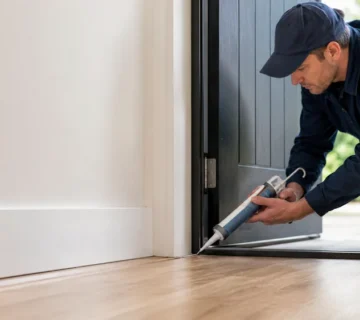
- Seal Entry Points: Check for cracks and crevices in walls, windows, and doors. Seal them to prevent more ants from entering.
- Set Traps or Baits: You can use ant traps or bait stations to lure ants and kill them. It can help reduce the population over time.
- Use Insecticide: Insecticidal sprays can be effective against flying ants, especially if the nest is exposed. However, these treatments often fail to eliminate the colony.
If the infestation is significant or the nest is hard to reach, it’s best to contact a professional pest control company. They will have the tools and expertise to identify the source and apply more targeted treatments.
When to Call in Professional Pest Control
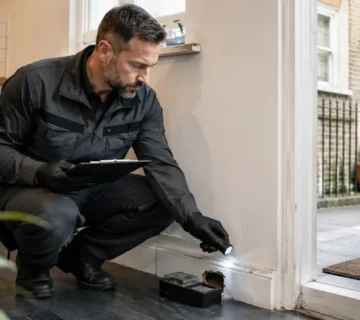
For persistent or big infestations, professional pest control is often the best solution. A pest control company can conduct a thorough inspection of your property and identify hidden nests. They will then apply the most effective treatment to eliminate the ants and ensure the problem doesn’t return.
Professionals can also provide advice on preventing future infestations. They may suggest removing food sources, sealing cracks, or maintaining your garden to discourage ant colonies.
Conclusion
Flying ants can mean more than just a seasonal nuisance. If you’re spotting them frequently or in large numbers, it could be a sign that a nest is nearby. Identifying the nest and taking action early can prevent an issue from becoming an infestation. If you’re unsure how to handle the situation, don’t hesitate to call a professional pest control company to eliminate the problem effectively.