Are Silverfish Dangerous or Just Annoying?
Spot a small, silvery insect darting across your bathroom floor at night, and it’s almost certainly a silverfish. They unsettle people far more than most household pests, largely because of how they move and how long they’ve been quietly living alongside humans. The real question worth answering is whether they pose any genuine risk or whether they’re simply an unwelcome nuisance that looks worse than it actually is.
What a silverfish actually is
Silverfish are small, wingless insects with a flattened, tapered body and a silvery-grey, metallic sheen. They typically measure between twelve and nineteen millimetres long, with three long bristle-like tails at the rear end. Their name comes directly from their colouring and their quick, fish-like wriggling movement across floors and walls. They belong to one of the oldest surviving insect groups on the planet, having existed in more or less the same form for over four hundred million years, long before dinosaurs walked the earth. That age alone tells you they’re remarkably good at survival, which is exactly why they’ve adapted so well to living inside human homes.
Why do they turn up in your house?
Silverfish need damp, humid conditions to survive, so bathrooms, kitchens, basements, and areas around leaking pipes attract them the most. They feed on starches and sugars, which means paper, wallpaper paste, book bindings, cardboard, and even certain fabrics all provide food. Cereal boxes, old newspapers, and stored documents in a damp loft or cupboard are exactly the sort of environment they thrive in. A single silverfish sighting doesn’t necessarily mean an infestation, but seeing several regularly, particularly at night when they’re most active, usually points to a nearby source of moisture and food that needs addressing.
Do they bite or sting?
No. Silverfish have no stinger, no venom, and no interest in biting people. They don’t feed on blood, skin, or hair, and they have no biological reason to interact with humans at all beyond sharing the same building. Any reports of silverfish biting are almost always misidentifications, usually confused with other small household insects that do bite. In terms of direct physical harm to a person, silverfish present none whatsoever.
Can they cause health problems?
The health risk from silverfish is low, but it isn’t quite zero. Their shed skin and droppings can act as a mild allergen for some people. Particularly those with dust or insect allergies. It’s similar to the way dust mites can trigger reactions in sensitive individuals. Large, long-term infestations in poorly ventilated homes may contribute to a build-up of allergens over time, especially in bedrooms or storage areas where items sit undisturbed for months. For the vast majority of people, though, silverfish cause no noticeable health effects at all. They don’t spread disease, and they aren’t linked to any serious illness in humans.
The real damage they cause
Where silverfish genuinely cause a problem is with belongings rather than people. Their diet of starch and cellulose puts books, photographs, wallpaper, and important documents at risk, particularly older items stored in damp conditions. Anyone with a loft full of family photographs, old letters, or valuable books should take a silverfish sighting seriously, since these are exactly the items most likely to suffer irreversible damage. Clothing made from natural fibres, particularly those starched or stored with adhesive-based labels, can also attract feeding activity over time. The damage tends to build slowly and often goes unnoticed until something valuable is already ruined.
So, dangerous or just annoying?
For people, silverfish are firmly in the annoying category rather than the dangerous one. They don’t bite, they don’t sting, and they carry no disease. The closest thing to a genuine risk is a mild allergic reaction in sensitive individuals during a heavy, long-running infestation. For possessions, the picture changes. Books, documents, wallpaper, and natural fabrics are all genuinely at risk if silverfish numbers build up undisturbed, and that risk grows the longer an infestation goes unnoticed.
Keeping them under control
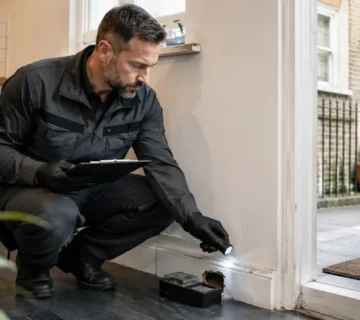
Reducing humidity is the single most effective step, since silverfish simply can’t establish themselves in a dry environment. A dehumidifier in damp rooms, proper ventilation in bathrooms, and fixing any leaking pipes all remove the conditions they need. Sealing gaps around skirting boards, pipework, and loft hatches limits the routes they use to move between rooms. Storing books, photographs, and important documents in sealed plastic containers rather than open boxes protects them even if silverfish are present elsewhere in the house. If numbers keep growing despite these steps, professional pest control treatment identifies the moisture source and deals with the infestation at its root, rather than just clearing the insects you can see.