How Can I Stop Fleas from Coming Back After Treatment?
Fleas are persistent pests. Even after a thorough treatment, they can return quickly. A flea can lay up to 50 eggs daily, meaning an infestation can rebuild itself fast if eggs hatch after treatment. Take action if you still see fleas after a professional or DIY treatment.
1. Treat Your Pets Regularly
Fleas thrive on animals and will return if your pet carries them. Protect your pet with the correct flea treatment.
Use vet-approved flea treatments, such as spot-on solutions, tablets, or collars.
Wash pet bedding, blankets, and soft toys at high temperatures to kill any remaining fleas or eggs.
Regularly groom your pet with a flea comb to remove fleas before they multiply.
Speak to a vet if fleas keep returning—some treatments are more effective than others. It depends on the severity of the infestation.
2. Clean Your Home Comprehensively
Flea eggs, larvae, and pupae may still be hiding after treatment. Fleas can survive in carpets, upholstery, bedding, and in floorboards.
Vacuum daily, especially in areas where pets sleep or rest. After vacuuming, dispose of the bag instantly.
Wash soft furnishings, including rugs, cushions, and curtains, in hot water to kill hidden eggs.
Use a flea spray or powder in hard-to-reach areas, such as under furniture, behind skirting boards, and along the edges of rooms.
If you only kill adult fleas but leave eggs behind, they will hatch and start a new cycle.
3. Don’t Forget Hard Floors and Outdoor Areas
Fleas don’t just hide in carpets. They can also live in cracks between wooden floorboards, skirting boards, and garden spaces where pets roam.
Sweep and mop hard floors regularly. Fleas can cling to gaps in wood and tile grout.
Use flea treatment in outdoor areas where your pet spends time, such as patios, sheds, and grassy spots.
Check bedding in outdoor spaces—fleas can survive in kennels, sheds, and garages.
4. Be Patient—Flea Cycles Take Time to Break
Even with the best treatment, flea eggs and larvae can take weeks to die. Fleas go through four life stages—egg, larva, pupa, and adult. Many treatments only kill adult fleas, meaning eggs may still hatch days or weeks later.
Continue vacuuming and treating for at least 3–4 weeks after the initial treatment.
Reapply flea treatments. Take advice from a vet or pest control expert to ensure the cycles are broken.
If fleas persist beyond four weeks, another round of treatment may be necessary.
5. Avoid Bringing Fleas Back
Even after clearing an infestation, fleas can return if reintroduced from outside sources.
Avoid contact with infested pets—if another pet in your house or neighbourhood has fleas, they can jump onto your pet and start the cycle again.
Check second-hand furniture and carpets before bringing them inside. Flea eggs can hide in fabric for weeks.
Wash clothes and bedding after visiting places with pets, such as friends’ homes or pet-friendly hotels.
Professional Pest Control for Stubborn Flea Infestations
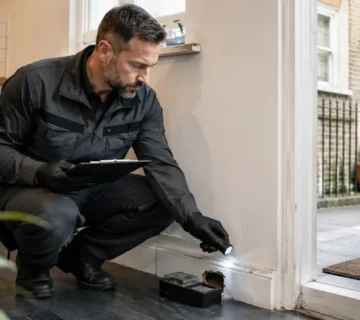
If fleas keep coming back despite treatment, cleaning, and prevention, it’s time to call in professional pest control services.
Experts identify hidden infestations and treat all flea life stages.
They use professional-grade insecticides that last longer than shop-bought products.
They provide tailored solutions to stop fleas from returning for good.
Don’t let fleas keep taking over your house. If DIY treatments aren’t working, contact a professional pest control service today for a safe, effective, and long-term solution.