Can Pests Make Me or My Pets Sick?
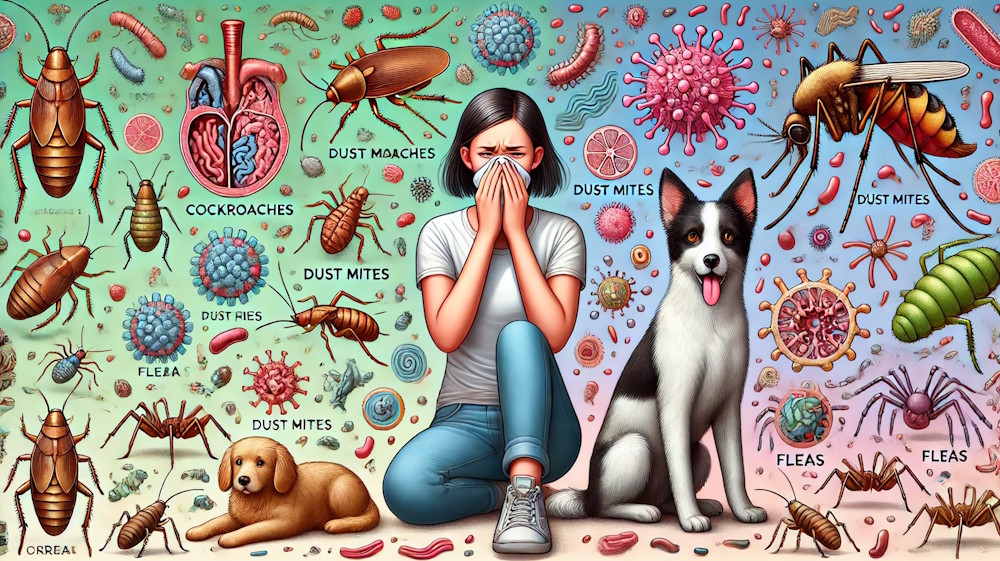
Pests aren’t just a nuisance—they can carry diseases, bacteria, and parasites that put your health and your pet’s well-being at risk. Some pests spread illnesses through bites, droppings, and contamination, while others act as carriers for harmful parasites. If left unchecked, an infestation can cause serious health problems in humans and animals.
1. Rodents: Carriers of Disease
Rats and mice spread bacteria and viruses through droppings, urine, and saliva. They contaminate food, surfaces, and even the air.
- Leptospirosis – is a bacterial infection spread through rodent urine. It can lead to kidney damage, liver failure, and severe flu-like symptoms.
- Hantavirus – is found in rodent droppings and urine. This virus can cause respiratory issues when inhaled.
- Salmonella – Mice and rats carry salmonella bacteria, which can cause severe food poisoning if they contaminate food or cooking areas.
- Rat-bite fever – is a bacterial infection transmitted through bites, scratches, or contaminated surfaces. It leads to fever, rashes, and joint pain.
Pets, especially cats and dogs, can catch diseases from rodents if they hunt or eat them. Rodents can also introduce fleas, mites, and ticks into your home.
2. Fleas: Not Just an Itchy Problem
Fleas cause more than just irritation. They are known carriers of parasites and infections, which can lead to serious health complications for both humans and pets.
- Flea Allergy Dermatitis (FAD) – Some pets develop severe skin reactions to flea bites, leading to intense itching, hair loss, and infections.
- Tapeworms – Fleas carry tapeworm larvae, which pets can ingest while grooming, leading to digestive issues, weight loss, and irritation.
- Bartonella (Cat Scratch Disease) – Fleas transmit this bacterial infection to cats, which can spread to humans through scratches or bites. Symptoms include fever, swollen lymph nodes, and fatigue.
If a flea infestation isn’t handled, it can multiply rapidly and spread throughout the home, making it extremely difficult to remove without professional help.
3. Ticks: Silent but Dangerous
Ticks latch onto animals and humans, feeding on blood and transmitting serious diseases. Unlike fleas, they don’t cause noticeable itching. They often go undetected until they’ve already spread infection.
- Lyme Disease – is a bacterial infection that causes joint pain, fatigue, and neurological symptoms. If left untreated, it can lead to long-term complications.
- Babesiosis – is a parasite that infects red blood cells, leading to anaemia, fever, and chills.
- Anaplasmosis – is a bacterial infection that causes fever, headaches, muscle aches, and vomiting.
Ticks often hide in grass, bushes, and wooded areas. Pets can pick them up on walks. Regular tick checks can help prevent infections. If they get into your home, an infestation can develop quickly.
4. Cockroaches: A Health Hazard in Your Home
Cockroaches carry bacteria and allergens that can cause serious health problems. They thrive in warm, damp areas. They contaminate food and surfaces with droppings, saliva, or shed skin.
- Asthma and Allergies – Cockroach droppings and body parts trigger asthma attacks and allergic reactions, especially in children.
- Salmonella and E. coli – These bacteria cause severe food poisoning, leading to vomiting, diarrhoea, and dehydration.
- Dysentery – A bacterial infection that causes severe stomach cramps, fever, and bloody diarrhoea.
Cockroaches are very resilient and hard to eliminate without professional pest control. They breed rapidly, meaning even a few sightings could indicate an infestation.
5. Bed Bugs: More Than Just Bites
Bed bugs don’t spread diseases directly, but their bites can lead to serious health issues.
- Severe allergic reactions – Some people develop intense itching, swelling, and welts from bed bug bites.
- Sleep deprivation and anxiety – Infestations cause stress and sleep loss, which can lead to weakened immune systems and mental health issues.
- Secondary infections – Excessive scratching can break the skin, allowing bacteria to enter and cause infections.
Bed bugs hide in furniture, bedding, and cracks in walls, making them extremely difficult to remove without professional treatment.
6. Flies and Mosquitoes: Disease-Carrying Insects
Flies and mosquitoes spread bacteria and viruses, making them a health risk.
- Mosquito-borne viruses – Some mosquitoes carry viruses such as West Nile virus and Dengue fever, although these are less common in the UK.
- Food contamination – Houseflies spread bacteria by landing on food, utensils, and surfaces after feeding on waste.
- Eye and skin infections – Certain fly species spread bacteria that cause eye infections, skin irritations, and open sores.
Flies breed quickly, meaning one or two can turn into an infestation within days.
Professional Pest Control: The Best Defence Against Infestations
Pests aren’t just a minor inconvenience. They pose serious health risks. Acting fast is the best way to protect your home and pets if you suspect an infestation.
- Experts identify hidden infestations and use effective treatments.
- Professional pest control targets all life stages, stopping pests from returning.
- Safe and approved treatments keep your home pest-free without harming pets or family members.
If pests affect your health or your pet’s well-being, contact a professional pest control service today for a fast, safe, and long-term solution.