How Long Does Pest Proofing Last?
Most people want a single number. Two years? Five? Forever? The honest answer is that it depends on what you sealed, how well the work was done, and who happens to be living near your home. Good pest proofing holds for years. Sloppy work fails within months. Here is how the timing really shakes out, and what tips the balance one way or the other.
What pest proofing actually covers
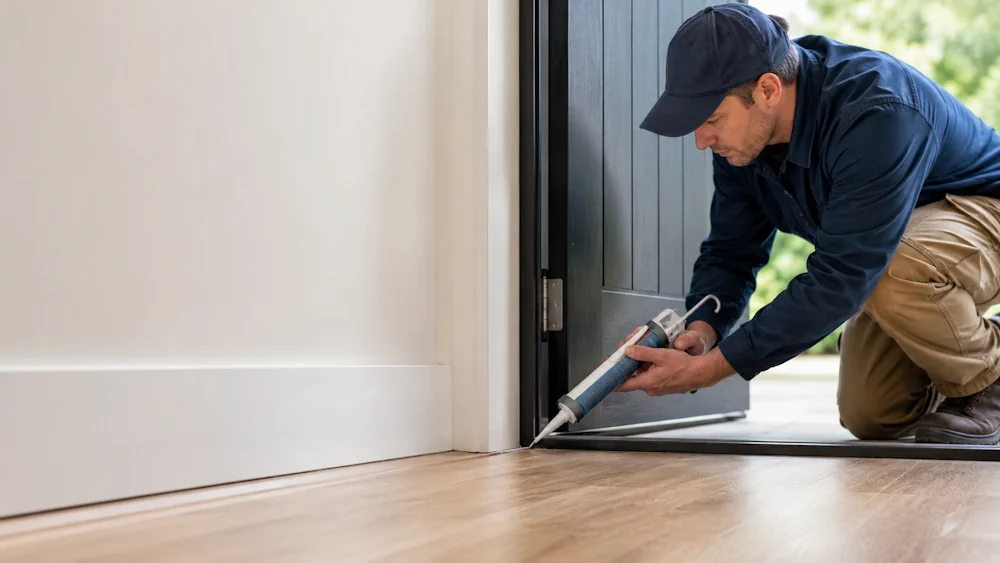
Pest proofing means closing the gaps that mice, rats, insects and other unwanted visitors use to get inside. That covers sealing holes around pipes, fitting bristle strips under doors, wire-meshing air bricks and vents, and blocking gaps along the roofline. The work is physical. It is not a spray that wears off on a set date. A steel wool plug pushed into a mouse hole and capped with mortar lasts as long as the mortar does. A cheap squirt of foam around a pipe might barely survive one winter.
So when someone asks how long it lasts, they are really asking two things at once. How long will the materials hold, and how long until pests find a fresh way in?
Typical lifespans by material
The materials do most of the talking. Steel mesh and stainless wire wool resist rodent teeth and shrug off damp, so they often hold for ten years or more. Mortar and cement repairs around brickwork last for the life of the wall when done properly. Quality door brushes and metal kick plates give roughly 5 to 8 years before the bristles wear thin or the seal flattens. Expanding foam on its own is the weak link. Rodents chew straight through it, and it crumbles in sunlight, so treat it as a 1 to 2-year patch at best, unless it is backed by mesh.
Use the right metal and masonry where it counts, and you get long service. Lean on foam and silicone alone, and you will be back at it before long.
Why does some proofing fail early
Buildings move. Timber shrinks in summer and swells in winter. Fresh cracks open as a house settles. A gap the width of a pencil is enough for a mouse, and a young rat needs barely more. A home sealed perfectly today can still grow a new weak spot within eighteen months.
Outside pressure matters too. A house backing onto open fields, a canal, or a row of restaurants gets probed constantly. Rodents test the edges every night. The more pests in the area, the faster any small failure gets found and used.
Weather adds its bit. Driving rain rots a poorly fitted seal. Frost lifts loose mortar. Birds and squirrels widen gaps in the eaves. None of this runs to a tidy schedule, which is exactly why a fixed expiry date is the wrong way to think about it.
How to make it last longer
Put the right material in the right place. That one habit beats everything else. Back foam with wire mesh. Pick metal over plastic on door sweeps. Re-point brickwork properly rather than smearing filler over a crack and hoping.
Check the perimeter twice a year. Spring and autumn work well, since rodents push indoors as the cold sets in. Walk the outside of the house and look low first, where pipes enter and where the wall meets the ground. Then look high, at the roofline and the vents. Clear the gutters so water does not pool and rot the timber. Cut back ivy and branches that give squirrels and rats a bridge onto the roof.
Fix small faults the moment you notice them. A two-minute repair now saves a full infestation later.
When to call a professional
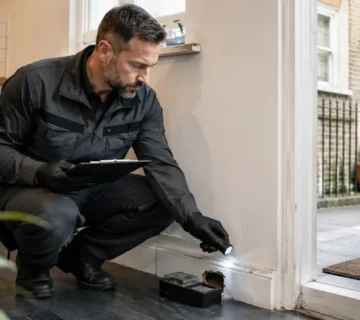
A confident homeowner can manage door brushes and the obvious gaps. Roofline work, drains, and hidden entry points are a different matter. A trained surveyor spots the holes you will never see from the ground and seals them with materials built to last. PestFreeMike can help with a full proofing survey, durable repairs, and a follow-up visit to confirm nothing has reopened.
The bottom line
Nothing stamps a fixed date on pest proofing. Done well, with metal and masonry where they earn their place, much of it runs for a decade or longer. Done on the cheap, it can give out before the next season. Choose good materials, check the house twice a year, and act fast on small gaps. That is how proofing pays you back.