How Do I Pest-Proof a Shed or Garage?
A shed or garage is often a perfect hideaway for pests. From rats to spiders, these storage spaces provide everything pests need: shelter, food, and warmth. If you want to keep your shed or garage free from unwelcome visitors, there are several simple yet effective methods you can use. Here’s how to pest-proof your shed or garage.
1. Seal All Entry Points
The first step in preventing pests from invading your shed or garage is to seal any entry points. These spaces are prone to gaps, cracks, and openings that pests can slip through unnoticed. Inspect your shed or garage thoroughly for these entry points.
Check Doors and Windows
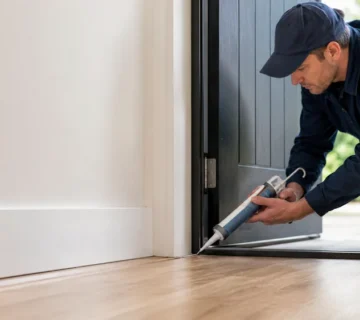
Examine the edges of doors and windows for any gaps or cracks. Install weather stripping or door sweeps to seal these openings. Ensure that windows close tightly and consider replacing any broken seals. Use mesh screens for ventilation openings to prevent insects from getting in.
Repair Cracks and Holes
Inspect walls and the foundation for any cracks or holes. Even the tiniest gap can be an entryway for mice, insects, or rats. Use silicone sealant or caulk to fill small holes. For larger gaps, consider using expanding foam or steel wool to block entry points.
Check for Gaps Around Pipes
Pipes that enter your shed or garage are another common entry point for pests. Use a strong sealant around these pipes to block any gaps. Insects, rodents, and even snakes can find these openings and make themselves at home.
2. Keep Your Shed or Garage Clean
A clean space is less inviting for pests. Regularly cleaning your shed or garage ensures there is no food or debris attracting pests.
Remove Food Sources
Store all food, birdseed, pet food, and garden supplies in airtight containers. Pests are often attracted to the smell of food, and open bags or bins make it easy for them to find a feast. Ensure you clean up food scraps or spilt items.
Clear Clutter
Clutter provides hiding places for pests. It’s vital to keep your shed or garage organised and free from unnecessary items. Piles of old newspapers, magazines, and unused boxes can attract pests. Store items in bins or on shelves off the floor to keep your space tidy and prevent hiding spots.
Remove Old or Wet Wood
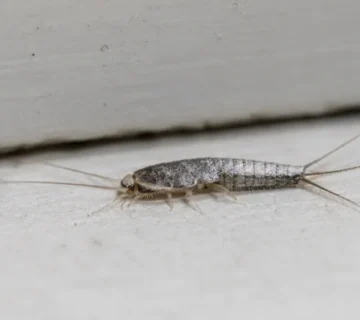
Wooden items left outside or in damp conditions attract termites and other pests. If you have old wood lying around, it’s essential to dispose of it or keep it stored properly. Wet wood can also lead to mould and mildew, which attracts pests like silverfish.
3. Install Pest-Proof Storage Solutions
To prevent pests from infesting your tools, equipment, or other items stored in your shed or garage, invest in pest-proof storage solutions.
Use Airtight Containers
Store smaller items, like seeds, paint, and chemicals, in airtight containers. It prevents pests from accessing the contents. For bulkier items, use metal or plastic cabinets with secure doors to keep pests at bay.
Elevate Storage
Storing items off the ground makes it harder for rodents and insects to access them. Use shelving, pallets, or hooks to store tools and materials. Keeping your storage elevated also improves air circulation, reducing the risk of moisture build-up, which can attract pests.
4. Control the Exterior
The area surrounding your shed or garage plays a significant role in pest control. Take action outside to create a pest-free barrier around the building.
Trim Vegetation
Tall grass, overgrown bushes, and trees provide cover for pests. Trim any vegetation around your shed or garage to limit hiding places. Keep plants and shrubs well away from the structure, as they can also provide a path for pests to climb into the building.
Maintain Drainage
Ensure that the ground around your shed or garage has proper drainage. Standing water creates a perfect breeding ground for mosquitoes and other pests. Redirect water away from your shed with gutter systems or drainage pipes.
Use Natural Repellents
Sprinkle natural pest repellents like diatomaceous earth or cayenne pepper around the foundation of your shed or garage. These substances can deter pests from entering your space.
5. Regularly Inspect and Monitor for Pests
Even with all the preventive measures, it’s crucial to regularly inspect your shed or garage for signs of pest activity. Early detection can help you prevent an infestation from getting out of control.
Set Traps
Place snap traps or glue traps around the space to catch any pests that might have found their way inside. Regularly check the traps to ensure they’re working.
Monitor for Droppings or Damage
Keep an eye out for signs of pest activity, such as droppings, chewed items, or holes in containers. If you find any signs, take immediate action to address the problem.
6. Call in Professional Pest Control
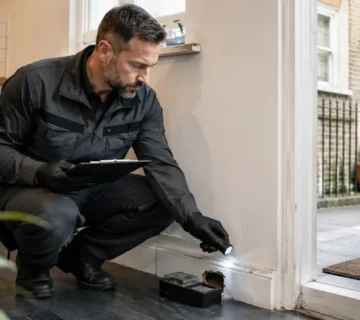
If your efforts to pest-proof the shed or garage aren’t successful or if you discover a more significant infestation, it’s time to contact a professional pest control company. They can perform a thorough inspection, apply the treatments, and offer ongoing prevention advice.
A pest control expert has access to specialised tools and knowledge to address even the infestations. They can also advise you on long-term solutions and maintenance to ensure pests stay out of your shed or garage.
Conclusion
Pest-proofing your shed or garage requires attention to detail and consistency. By sealing entry points, keeping the space clean, using proper storage, and maintaining the exterior, you can significantly reduce the risk of pest invasions. Regular inspections and, if necessary, professional pest control services will ensure your shed or garage remains pest-free for the long term.