Why Do I Keep Finding Silverfish in My Bathroom?
If you’ve noticed silverfish scurrying across your bathroom floor, you’re not alone. These pesky creatures often appear in damp, hidden areas, leaving many homeowners wondering why they’ve made their way into the bathroom. While silverfish are relatively harmless, their presence can be unsettling. Understanding what attracts them to your bathroom and how to prevent them is essential to ensuring a clean, pest-free environment.
What Are Silverfish and Why Are They in My Bathroom?
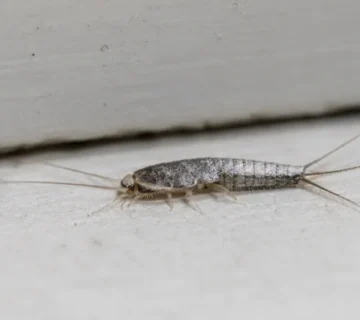
Silverfish are small, wingless insects with a distinctive, fish-like appearance due to their silvery scales and wiggling movement. They thrive in damp, dark environments, making your bathroom an ideal habitat. These pests are nocturnal, meaning they tend to appear at night, scurrying into cracks and crevices that offer shelter. They’re often attracted to areas with high humidity and warmth, which is why bathrooms are so appealing.
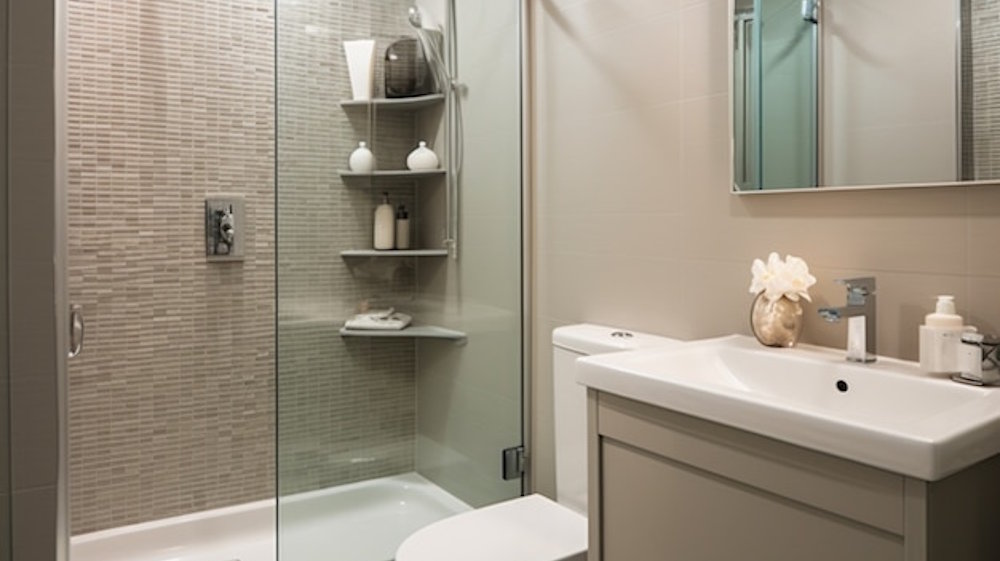
Bathrooms provide the perfect conditions for silverfish to thrive. The moisture from showers, baths, and sinks creates an environment for silverfish to survive. The warmth and humidity encourage them to seek refuge in hidden spots such as behind tiles, under sinks, or in bathroom cabinets.
Why Silverfish Are Attracted to Bathrooms
1. High Humidity and Moisture
Silverfish need moisture to survive. The bathroom, with its constant exposure to water from showers, baths, and sinks, creates a high humidity level ideal for these pests. Areas that remain damp, like bathroom floors, sinks, and tiles, provide silverfish with a constant water source.
If your bathroom lacks proper ventilation, humidity levels can rise even higher, making it more inviting for silverfish. Steamy environments, especially in bathrooms without exhaust fans, offer the perfect breeding ground for these pests.
2. Availability of Food Sources
While silverfish don’t feed on humans, they are attracted to organic matter. They feast on starches, sugars, and materials like paper, cardboard, and mould. If you have old books, magazines, or tissues stored away, silverfish might be attracted to the starch in these materials.
Bathrooms, particularly older homes, may also harbour mould and mildew. Silverfish thrive on mould, which provides them with a food source. They are especially attracted to areas where water damage or leaks have occurred.
3. Dark, Hidden Spaces
Silverfish are nocturnal creatures, seeking out dark, quiet corners during the day. Bathrooms, with their enclosed spaces and multiple hiding spots, offer silverfish a place to hide during the daylight hours. They often hide behind toilets, bathroom tiles, and underneath cabinets, where they feel safe and secure. The darker and more secluded the space, the more likely it is to harbour silverfish.
How Can I Prevent Silverfish in My Bathroom?
1. Control Humidity Levels
The first step in reducing the presence of silverfish in your bathroom is controlling humidity. Use a dehumidifier to reduce moisture in the air, or install an exhaust fan that vents steam outside. Opening windows after showers can help improve airflow and reduce humidity. The less moisture in the bathroom, the less appealing it will be for silverfish.
2. Seal Gaps and Cracks
Silverfish can enter through the smallest cracks. Check your bathroom for gaps around windows, doors, and plumbing pipes. Seal these gaps with caulk or weather stripping to prevent silverfish from finding their way inside. Pay particular attention to spaces around the base of the toilet, as well as any cracks in the wall or floor tiles.
3. Keep the Bathroom Clean
Silverfish are scavengers and can thrive on food debris, dust, and organic matter. Regularly clean your bathroom, paying special attention to hidden corners, behind the toilet, and under the sink. Remove old magazines, toilet rolls, and any unused items from bathroom cabinets that could provide a food source. Keep your bathroom dry and free of any standing water.
4. Eliminate Mould and Mildew
Mould and mildew provide silverfish with a food source, so it’s essential to tackle any moisture issues in your bathroom. Check for leaks around your sink, bathtub, or toilet. Fix any leaks immediately and clean up any water that may have accumulated. Use a mould and mildew cleaner to remove any growth from tiles, grout, and walls. Ensuring your bathroom is free of dampness and mould will help prevent silverfish from finding a food source.
5. Use Natural Deterrents
If you prefer not to use chemicals, there are several natural methods to deter silverfish. Essential oils such as lavender, cinnamon, and citrus are known to repel silverfish. You can mix a few drops of these oils with water and spray them around your bathroom, focusing on corners and cracks where silverfish may hide.
When Should You Call a Professional Pest Control Service?
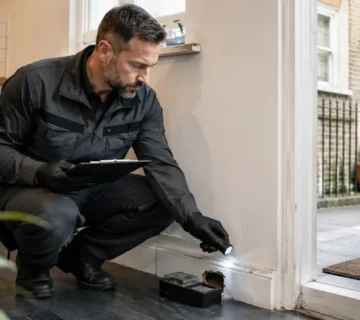
If your bathroom continues to have a silverfish problem despite your efforts, it may be time to contact a professional pest control company. Experts can perform a thorough inspection to identify the extent of the infestation and use targeted treatments to eliminate the pests.
A pest control expert will be able to assess your bathroom’s humidity levels, check for hidden infestations, and offer long-term prevention strategies. They may also provide treatments that are more effective than over-the-counter options.
Conclusion
Silverfish in your bathroom can be a persistent and unsettling issue. By understanding what attracts these pests and taking steps to reduce moisture, seal gaps, and eliminate food sources, you can prevent further infestations. Regular cleaning and maintenance will also help keep your bathroom pest-free. If you’re unable to resolve the issue on your own, don’t hesitate to consult a professional pest control service to safeguard your home from these troublesome insects.