Should Landlords Pay for Pest Control in Rental Homes?
When it comes to maintaining a rental property, pest control is a crucial issue that often raises questions. Landlords and tenants may not always agree on who should cover the cost of pest control. Is it the landlord’s responsibility to handle pest infestations? Or is the responsibility with tenants? Understanding both legal and practical considerations is essential for ensuring a harmonious living situation and protecting the property’s value.
1. The Landlord’s Legal Responsibilities
Under the Landlord and Tenant Act 1985, landlords are required to keep rental properties in good repair and ensure that they are safe and habitable. It includes making sure that the property is free from any major pest infestations that could pose a risk to health or safety.
Health and Safety Concerns
Pests such as rats, cockroaches, and bed bugs are not only a nuisance but can also carry diseases. In extreme cases, they can cause damage to the building structure or furniture. If an infestation occurs and the pests affect the tenant’s living conditions, landlords are legally obligated to address the issue. It often means providing pest control services to remedy the problem promptly.
2. Tenant’s Responsibilities
While the landlord is responsible for ensuring the property is free from pests at the start of the tenancy, tenants are often required to maintain the property throughout their stay. It can include keeping the home clean, securing food items, and preventing pests from being attracted in the first place. If tenants fail to keep the property in a sanitary condition, they may become liable for pest control costs.
Negligence and Poor Maintenance
Tenants who leave food out, allow garbage to accumulate, or fail to report early signs of pests could be held responsible for an infestation. If the tenant’s actions lead to a pest problem, they may have to pay for the pest control service. However, this is subject to the terms outlined in the tenancy agreement.
3. When Should Landlords Pay for Pest Control?
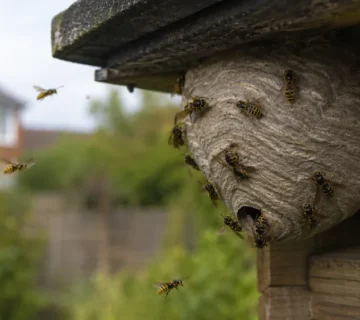
There are several scenarios where landlords should pay for pest control. If pests are present at the start of the tenancy, the landlord is responsible for addressing the issue. Similarly, if pests invade through holes in walls or damaged roofs, landlords must take action to eliminate the infestation. Squirrels, termites, and wasps can cause significant damage to the property and must be dealt with immediately.
Common Pests That Landlords Should Address
- Rodents: Rats and mice can infiltrate properties through tiny gaps and holes. Landlords should ensure that the building is sealed.
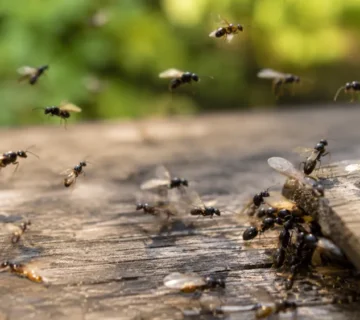
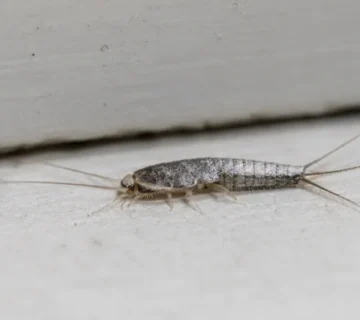
- Insects: Bed bugs, cockroaches, and fleas are common in rental properties. In case of infestation, the landlord should arrange for professional pest control, as pests can be difficult to eradicate without experts.
- Wildlife: Larger animals such as squirrels, birds, and raccoons can invade the property and cause extensive damage. The landlord should bear the cost of removing these animals and repairing any damage they caused.
4. When Tenants Should Pay for Pest Control
There are instances where tenants need to cover the cost of pest control, particularly if they cause problems by neglect or failure to maintain the property. For example, if tenants leave doors or windows open, or dispose of rubbish incorrectly, pests can easily invade the home. In such cases, landlords may not be held responsible for pest control costs.
Preventive Measures by Tenants
- Proper waste disposal: Tenants should ensure that trash is regularly taken out and stored in sealed bins.
- Cleaning habits: Keeping the property clean and free from food scraps can help avoid attracting pests.
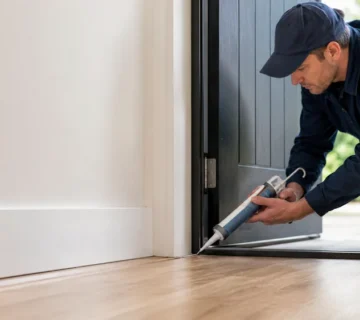
- Sealing entry points: Tenants should report any cracks or gaps in windows and doors that could allow pests to enter.
5. The Role of Pest Control Contracts
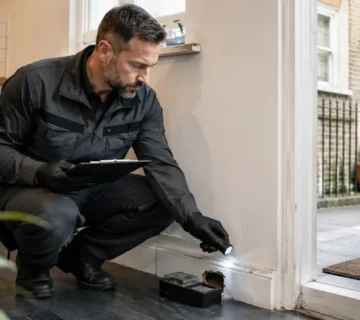
Some landlords prefer pest control contracts to manage pest problems. It is useful in areas prone to infestations. These contracts typically include regular inspections and treatments. If a pest issue arises, the landlord phones the pest control company to resolve it quickly.
6. How to Avoid Pest Issues in Rental Properties
Both landlords and tenants have a shared responsibility when it comes to pest control. Landlords can minimise the risk of infestations by ensuring the property is well-maintained, secure, and free from gaps or holes. Tenants, on the other hand, can help by maintaining good cleanliness and promptly reporting any signs of pests.
For landlords seeking to avoid the cost of emergency pest control, preventive measures such as sealing cracks and maintaining the property are key. Encouraging tenants to keep the property clean and report any issues early can also help prevent larger infestations.
Conclusion
Pest control responsibility in rental homes depends on the nature of the infestation and its cause. Landlords should pay for pest control when the infestation results from structural issues or was present at the start of the tenancy. Tenants are responsible if their negligence leads to the problem. Both parties should keep the property pest-free, ensuring that everyone is happy and comfortable.