Does a Neighbour’s Infestation Mean You’re Next?
Few things unsettle homeowners faster than hearing that a neighbour faces a pest infestation. The thought spreads quickly through a street or apartment block. If insects or rodents thrive next door, many people assume their home will soon face the same problem.
That assumption often holds true. Pests move constantly. They search for food, shelter, and warmth. When one property holds an active infestation, nearby homes may become the next convenient target.
Yet infestation spreads follow patterns. Understanding those patterns helps homeowners reduce risk and protect their property.
How Pests Move Between Homes
Many pests travel surprisingly far in search of resources. Rodents, insects, and other household invaders rarely stay confined to a single structure.
Several routes allow them to spread between neighbouring homes.
Shared walls create the most direct path. In terraced houses, semi-detached properties, and flats, pests move through cavities in the structure. Small openings around pipes, electrical conduits, or ventilation ducts provide easy access.
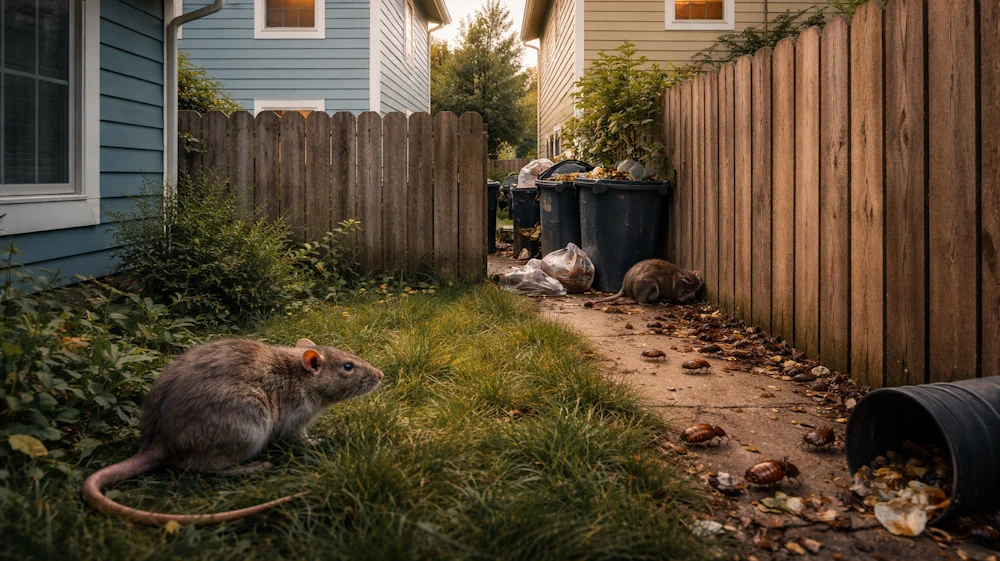
Outdoor movement also occurs frequently. Rats travel along fences, garden edges, and drainage channels. Ants form trails across pavements and lawns. Cockroaches move through soil, drains, and building foundations.
Even small cracks provide entry. A gap the width of a coin allows many pests to slip indoors.
Once pests locate food and warmth, they settle quickly.
Common Pests That Spread Between Neighbouring Properties
Some pests remain highly mobile. These species often spread through entire neighbourhoods once one home becomes heavily infested.
Rodents lead the list.
Rats and mice travel easily between properties. A single rat may cover large distances each night while searching for food. If one house offers easy access to rubbish, pet food, or compost, the surrounding homes soon attract attention.
Cockroaches also spread quickly in connected buildings. They move through shared pipes, wall voids, and drainage systems. In apartment buildings, one untreated unit can lead to widespread infestation.
Bed bugs behave differently. They rarely travel outdoors on their own. However, they spread easily through shared walls, laundry areas, luggage, and furniture. In flats or hotels, one infestation often expands across multiple rooms.
Ant colonies also grow large and aggressive when food becomes plentiful. Worker ants travel far from their nest and may enter neighbouring homes in search of sugar or grease.
Signs a Neighbour’s Infestation May Reach Your Home
Early warning signs often appear before pests fully settle inside.
Pay attention to subtle changes around the property.
You may notice increased insect activity outdoors, particularly near shared boundaries. Ant trails along garden fences or cockroaches near drains signal nearby breeding sites.
Rodent signs also appear gradually. Watch for:
- Droppings near fences or bins
- Small holes under sheds or decking
- Gnaw marks on outdoor wood
- Scratching sounds inside the walls at night
Inside the home, unusual odours or insect sightings often appear first in kitchens, basements, and utility rooms.
Pests usually enter where food and moisture exist.
Why Some Homes Avoid Infestation While Others Do Not
Two homes may stand side by side, yet only one develops a serious pest problem.
The difference often comes down to access and resources.
Pests settle where food remains easy to reach. Unsealed rubbish bins, open compost piles, and uncovered pet food attract rodents quickly. Indoor crumbs and grease residue invite cockroaches and ants.
Structural gaps also matter. Cracks around doors, windows, and foundations allow insects and rodents to enter without resistance.
Homes with strong maintenance and cleanliness routines usually discourage pest activity even when infestations exist nearby.
Pests rarely waste energy forcing entry when easier options sit nearby.
Steps to Protect Your Home When a Neighbour Has Pests
Immediate prevention reduces the chance of spread.
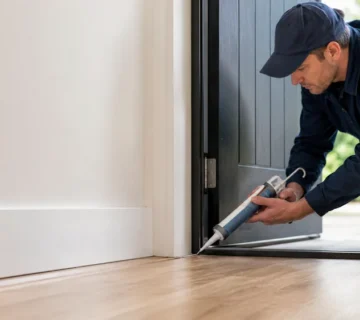
Start outside the property. Inspect the building’s exterior carefully. Seal cracks around pipes, vents, and brickwork. Repair damaged screens and door seals.
Secure waste containers tightly. Use bins with locking lids. Avoid leaving rubbish bags outside overnight.
Inside the home, remove food sources. Store dry foods in sealed containers. Clean kitchen surfaces regularly. Vacuum floors and corners where crumbs collect.
Pay special attention to moisture. Leaking taps and damp cupboards attract insects.
If rodents appear likely, install door sweeps and metal mesh around vulnerable entry points.
Routine inspection keeps the home secure.
When Professional Pest Control Becomes Necessary
Sometimes, prevention alone does not stop migration from neighbouring properties.
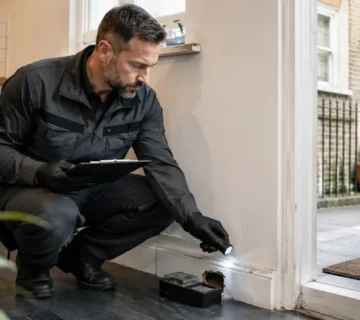
If pests persist, professional treatment is the safest option. Pest control specialists identify entry points, breeding areas, and travel routes between properties.
They may use bait systems, traps, or targeted insect treatments to control the population before it spreads further.
In multi-unit housing, coordinated treatment often produces the best results. Addressing a single unit rarely stops pests that move freely through shared walls.
Property managers and neighbours benefit from working together to eliminate the problem at its source.
Community Awareness and Shared Responsibility
Pest control rarely succeeds when only one household takes action. Entire streets or apartment blocks must maintain clean surroundings and secure structures.
Simple habits reduce infestation risk:
- Proper rubbish storage
- Clean communal areas
- Quick repair of leaks and cracks
- Responsible food storage
When neighbours communicate openly about pest problems, they prevent silent spread across the community.
Final Thoughts
A neighbour’s infestation increases your risk, but does not guarantee pests will invade your home. Pests move where they find food, shelter, and easy entry points.
A proactive approach makes all the difference. Keep up with regular inspections, reinforce your home’s defences, and talk to your neighbours about any concerns. By staying alert and working together as a community, you reduce the risk of pests spreading and keep your home as safe as possible.