What Attracts Ants to My Kitchen, and How Can I Deter Them?
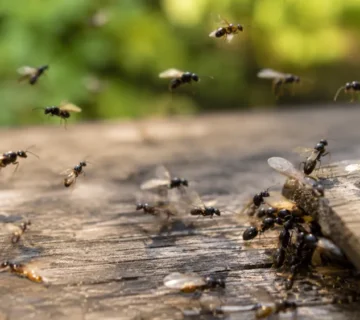
Ants invading the kitchen is a common problem in many homes. These tiny pests march in lines, forage for food, and quickly multiply. Once they establish a trail, they keep coming back. To stop an ant infestation,
understand why they enter your kitchen and how to keep them out for good.
Why Do Ants Invade Kitchens?
1. Food Left Out or Spilled
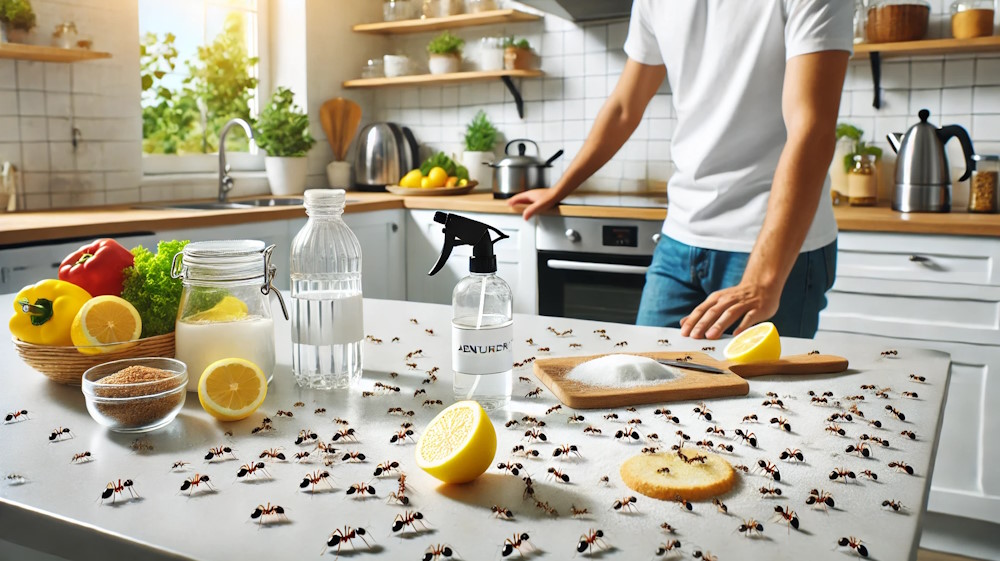
Ants have an incredible sense of smell. They can detect even the tiniest food crumbs or sugary spills from a distance. Anything left out—bread, biscuits, fruit, or sticky residue—attracts them. Even a few grains of sugar or a small drop of juice can bring in an entire colony.
2. Unsealed Food Containers
Unsealed food gives ants easy access. Open cereal boxes, biscuit tins, and sugar bags allow ants to feast undisturbed. They can chew through thin plastic or paper packaging, making anything stored improperly a target.
3. Standing Water or Moisture
Ants need water to survive. They look for leaky taps, damp worktops, wet sponges, and pet water bowls. Any excess moisture in the kitchen gives them the hydration they need to establish a colony nearby.
4. Greasy Surfaces and Dirty Dishes
Leftover grease and food residue on worktops, hobs, or unwashed dishes creates a perfect feeding ground for ants. Even if food scraps aren’t visible, the scent left behind attracts ants searching for a food source.
5. Cracks, Gaps, and Entry Points
Ants enter through tiny openings around doors, windows, pipes, and vents. Once inside, they follow scent trails left by scout ants. A gap under a door or between tiles is enough for them to find a way in.
How to Deter Ants from the Kitchen
1. Keep Surfaces Spotless
A clean kitchen is the best defence. Wipe down worktops, tables, and shelves daily to remove any food remains. Pay attention to areas where crumbs collect—under appliances, behind bins, and inside cupboards.
2. Fix Leaks and Remove Standing Water
Check for leaky taps, pipes, and damp spots. Dry sinks after use and empty pet water bowls overnight. Even a few drops of water can give ants the moisture they need to survive inside your home.
3. Keep Food in Sealed Containers
Use airtight plastic, glass, or metal containers to keep food out of reach. Never leave sugar, flour, cereals, and pet food in open bags. Keep fruit in the fridge to avoid attracting ants.
4. Empty the Bin Regularly
Bins attract ants, especially if food waste is left exposed. Use a tight-fitting bin lid and empty it frequently. Clean the bin regularly. Remove food remains and prevent odours that draw ants inside.
5. Block Entry Points
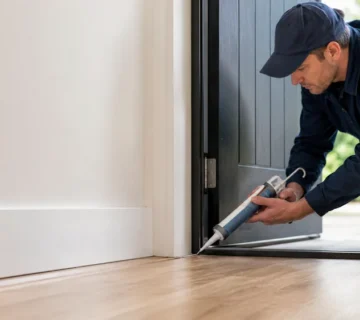
Seal windows and door cracks. Use weather stripping on doors and silicone caulk around openings. If ants can’t get in, they won’t invade your kitchen.
6. Remove Ant Trails
Ants follow pheromone trails left by scouts. Wipe down surfaces with white vinegar, lemon juice, or soapy water. It removes their scent markers, making it harder for others to find their way back.
7. Use Natural Repellents
Certain smells deter ants. Use peppermint oil, cinnamon, vinegar, and citrus peels around entry points to keep them away. Sprinkling coffee grounds or chalk near doorways can also act as a barrier.
When to Call a Professional Pest Control Service
DIY methods can reduce ant activity, but they rarely eliminate an infestation. If ants keep coming back, the colony is within walls, floors, or nearby outdoor areas.
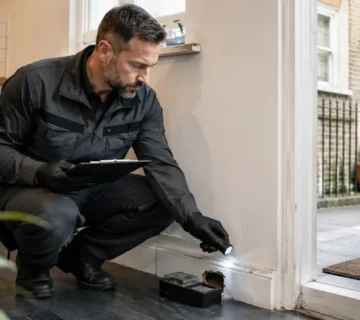
A professional pest control service can identify the source of the infestation, target nests, and eliminate ants permanently. They use specialist treatments that are more effective than shop-bought sprays or home remedies.
Don’t let ants take over your kitchen. Contact a professional pest control expert today to get rid of them for good.