How Can I Stop Pigeons from Nesting on My Roof?
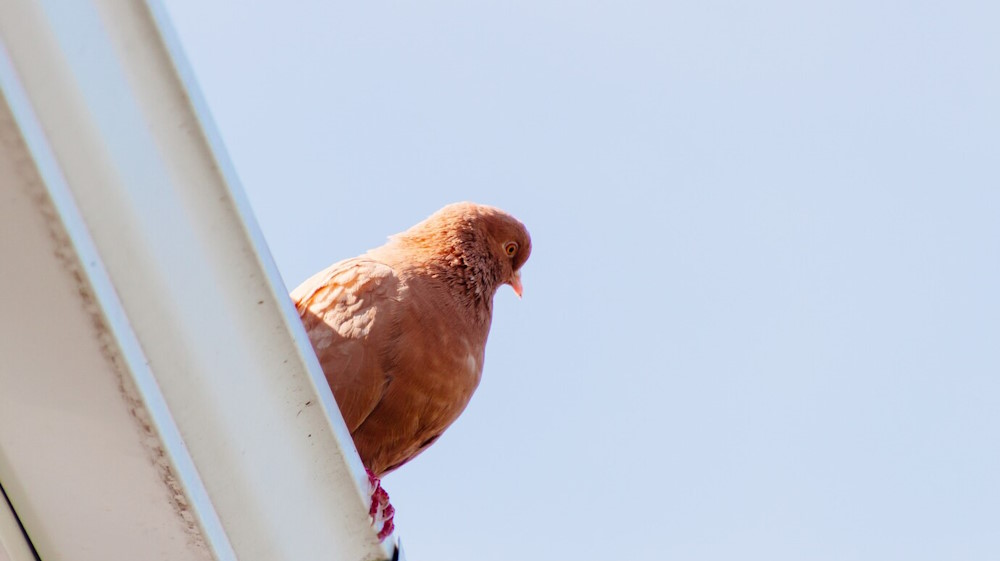
Pigeons are persistent birds. They often target high, sheltered places like roofs, gutters, and chimneys to build their nests. While their presence may seem harmless, pigeons can cause significant damage to your property. Their droppings, in particular, corrode roof tiles, block gutters, and create health hazards. If you’re dealing with pigeons nesting on your roof, act quickly to protect your home and prevent future infestations.
1. Install Pigeon Netting
One of the effective methods to prevent pigeons from nesting on your roof is to install pigeon netting. This netting is a physical barrier, blocking pigeons from entering your roof space. It is strong yet discreet, ensuring that it doesn’t interfere with the aesthetics of your home.
- Durable and long-lasting: Made from UV-resistant material, pigeon netting is highly durable and can last for many years.
- Customisable: The netting can be cut and fitted to match the dimensions of your roof, ensuring a tight, secure fit.
- Good protection: The netting prevents pigeons from gaining access to your roof, making it harder for them to nest.
- By installing pigeon netting, you create a safe, off-limits space that will deter pigeons from attempting to nest on your roof.
2. Bird Spikes Installation
Bird spikes are another popular and effective method for keeping pigeons away from your roof. Bird spikes make it difficult for pigeons to land and rest on flat surfaces like roof edges and ledges.
- Discreet and effective: Bird spikes are designed to be almost invisible, allowing them to blend seamlessly with your roof’s structure.
- No harm to birds: The spikes prevent pigeons from landing, but they don’t harm them. They make it uncomfortable for them to stay.
- Easy installation: Add bird spikes along roof ridges, gutters, and other areas where pigeons are prone to land.
By blocking the places where pigeons like to perch, bird spikes act as an effective deterrent, reducing the likelihood of nesting.
3. Apply Bird Repellent Gel
The gel is a safe, non-toxic solution. It can be applied to the edges and surfaces of your roof. This sticky and tacky formula creates an uncomfortable surface for birds. It effectively deterred them from landing. Always opt for a product that is safe for humans and wildlife.
- Safe for property: The gel doesn’t cause any damage to your roof but creates an unpleasant sensation for pigeons.
- Easy to apply: It can be applied to roof edges, chimney pots, or gutters to discourage pigeons from landing.
- Long-lasting: A small amount of gel can last for several months before needing reapplication.
Bird repellent gel works well with other deterrents, such as bird spikes or netting, for maximum protection against pigeons.
4. Block Nesting Sites
Pigeons are creatures of habit. If they’ve built a nest on your roof, there’s a chance they’ll return year after year. Blocking access to potential nesting sites is crucial for preventing this.
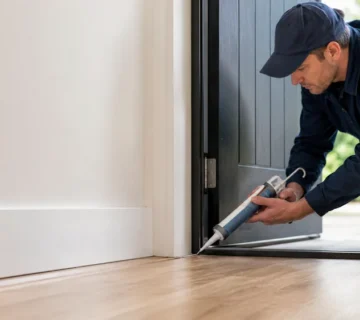
- Seal gaps and cracks: Check for small holes or cracks on your roof and seal them with caulking or weatherproof sealant.
- Install wire mesh: If pigeons enter your roof space through vents or chimneys, cover these openings with fine wire mesh to keep them out.
- Clean the area: Remove old nests, debris, or droppings from your roof. Pigeons are more likely to return if they find old nesting materials.
You make it much harder for pigeons to settle on your roof by addressing entry points and removing the attractive nesting sites.
5. Use Sound Deterrents
You can deter pigeons by being sound. Various sound deterrents can scare pigeons away and prevent them from nesting.
- Ultrasonic devices: These devices emit high-frequency sounds that only pigeons can hear. The sound irritates them, making the area unpleasant for them to linger.
- Predator calls: You can also use devices that play the sounds of predators, like hawks or falcons, to give pigeons the impression that danger is near.
- Reflective noise devices: Certain reflective materials, like wind chimes or shiny tape, can also create noise that deters pigeons from landing.
While sound deterrents can be effective, they work best when combined with other methods, like netting or spikes.
6. Clean Regularly
If pigeons have already settled on your roof, cleaning up their droppings and old nests is crucial to discourage them from returning. Their droppings not only damage your roof, but they also attract other birds looking for nesting sites.
- Remove droppings promptly: Wear gloves and a mask when cleaning pigeon droppings, as they can carry diseases. Use appropriate cleaning solutions to disinfect the area.
- Check for signs of nests: Keep an eye out for any signs of new nests or activity. Prompt action can prevent pigeons from establishing a strong presence on your roof.
7. Call a Professional Pest Control Service
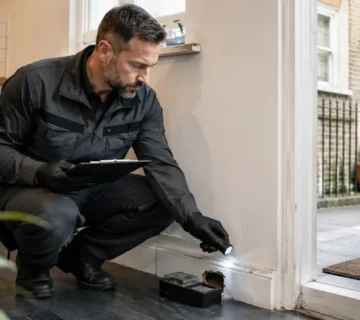
If pigeons continue to nest on your roof despite your best efforts, it may be time to call a professional. Pest control experts have the right tools and knowledge to remove nests and prevent pigeons from returning.
- Expertise: A professional pest control service can assess your situation and provide targeted solutions for long-term relief.
- Humane removal: If necessary, pest control experts can remove pigeons humanely and relocate them to a safe area.
- Ongoing prevention: They can help you implement a comprehensive strategy to ensure pigeons don’t return to your roof.
By relying on professional services, you can rest assured that pigeons will deterred with minimal hassle.
Conclusion
Pigeons may seem harmless, but their presence on your roof can lead to significant damage and health risks. Consider netting, bird spikes, repellent gels, or sound deterrents to stop pigeons from nesting. If the problem persists, it’s best to seek help from a professional pest control service to ensure your roof remains pigeon-free. A proactive approach will protect your property and help you maintain a clean, safe environment for you and your family.