Protecting Your Home from Carpenter Ants
Primarily a household pest, carpenter ants damage homes to a considerable extent. They do not eat wood, like termites, but instead make their nests by tunnelling through it, thus lowering your property’s structure. It is essential to understand how to protect your home from these damaging insects.
Carpenter Ants
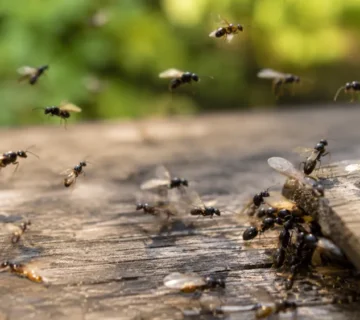
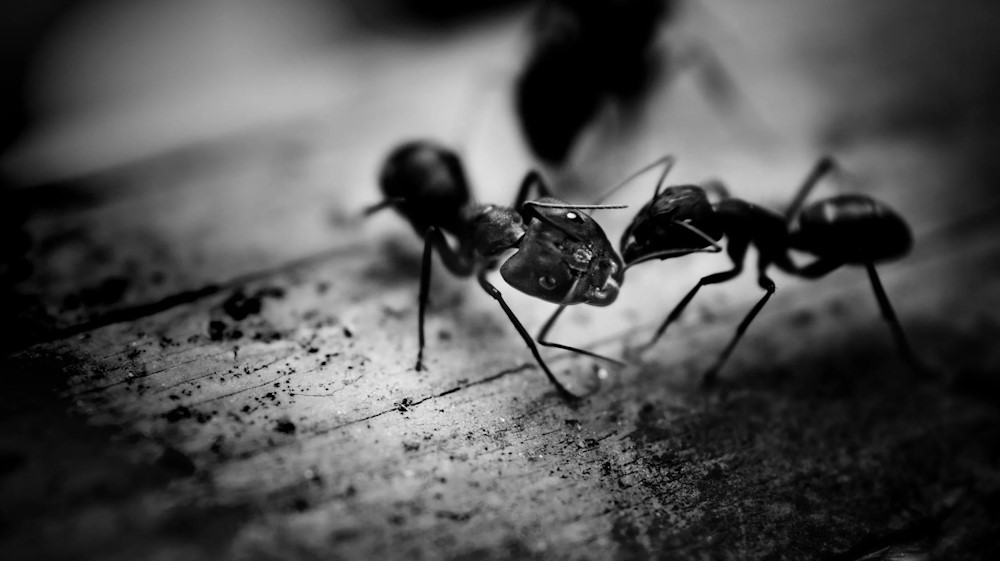
Carpenter ants are one of the largest at up to 1.2 cm long. They can be black, red, or a combo. You may see them out looking for food—especially at night. Check for frass, sawdust-like debris they dispose of while tunnelling through wood to build their nests. Carpenter ants are sometimes taken for termites because they may have wings, but they have a noticeably narrow waist and elbowed antennae.
Identifying Infestation
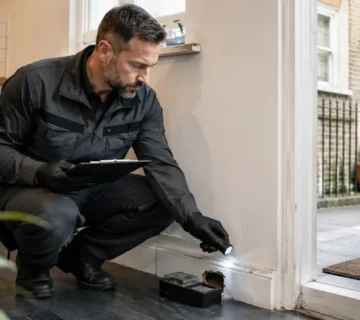
Early detection is critical. Pay attention to rustling sounds that could emanate from walls; this can indicate an active colony. Look out for evidence of structural damage: wood that seems hollow when tapped or smooth, clean tunnels inside the wood. Look for moisture-prone spots, as carpenter ants like damp, rotting wood. Generally, hot spots are places with bathrooms, kitchens, and basements.
Preventive Measures
Carpenter ants prosper in environments with moisture. Ventilate very well the kitchen and bathroom. Do all leak repairs as soon as they happen. Also, use a dehumidifier in those damp areas. This is a way of reducing moisture and making it less attractive for such pests to settle in your home.
Entry Points are Sealed
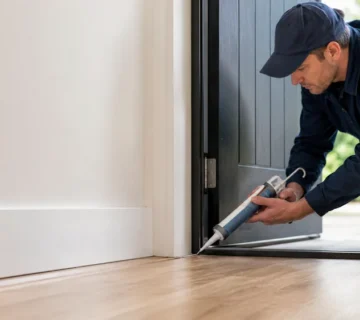
Look around your home to anticipate the entry points. Fill cracks in the foundation, walls, and windows. Replace damaged screens and weather stripping. Pay particular attention to utility lines and pipes entering the house.
Maintain Your Property
Trim any trees and shrubs back from your house. This will help in not providing the ants with a bridge to enter your home. Firewood should be placed far away from the house and above the ground level. Also, remove dead stumps or logs near the house, as these can be used for nesting.
Regular Inspections
Inspect your home for the presence of ants regularly. Pay particular attention to southern exposure locations and all other areas known to be exposed to moisture where ant activity is suspected. This will enable you to detect a problem early enough to keep it from becoming severe.
Natural Deterrents
Peppermint, tea tree, and citrus are considered natural ant repellents. Add a few drops to some water and spray around potential entry points. It’ll also keep your dwelling smelling nice at the same time.
Diatomaceous Earth
Ants can also be controlled using diatomaceous earth, a natural powder that kills ants by chafing their exoskeleton. Dust it over all entry points of the ants into your house and other areas where you have seen them. This is entirely safe for humans and pets, making it a perfect solution in houses with children and animals.
Professional Pest Control
A professional intervention becomes a necessity. For example, if you have identified a significant infestation at home, it’s best to summon a pest control service. They can assess the situation and put the appropriate treatment measures into place. Professional exterminators have many different methods and products far superior to what is available to the everyday consumer.
Protecting Your Home Long-Term
Constant vigilance and maintenance are the keys to protecting a home from carpenter ants. Keeping your dwelling dry, sealing any entrance, and regular checking can prevent severe damage from these pests. Using ant repellents natural to humans and professional pest management is also crucial in keeping their homes free of ants. In summary, the carpenter ants within or around your house need to be addressed through preventive measures and acting immediately at any sign. Be proactive and protect your property against these destructive insects.