Keeping Birds Away from Your Property
Birds are little more than a significant nuisance: they ruin property, create a mess, and cause a racket. Keeping them out of your space will take practical methods mixed with an understanding of bird behaviour. Effective ways to keep birds away are detailed in this guide.
Understand Bird Behavior
Birds can be attracted to location by desirable places to find food, shelter, and nesting. If these attractions are removed or modified, the birds can be eliminated. Open trash cans attract food and accessible water sources, just like easily accessible food and water, which will encourage birds to nest there. Eliminating these encouragements comes as the first step in bird control.
Physical barriers
Netting and Spikes
Install bird netting along with spikes to prevent birds from landing on roofs, ledges, and other perching spots, which will make them uncomfortable. Netting will block open areas, thus reducing entry, while spikes will make it painful for them to land. Use these tools on window sills, roofs, and gutters.
Wired Systems
Unsteady surface tensioned wire systems, which birds steer clear from, can be installed at the edges as well as the perches without causing any harm and make a successful, long-lasting solution.
Visual and Audio Deterrents
Reflective Objects
Reflective items are disturbing for most birds. To scare them, hang mirror-like reflecting tapes, CDs, or mirrors because these scare a bird, making them feel disoriented by movement and reflecting light, which causes much discomfort.
Predator Decoys
Decoy predators: If one has an option, decoy predators such as owls, hawks, etc., are pretty effective. Set them in visible locations and change their position occasionally to simulate reality.
Sound Devices
Distress calls or predator sounds can keep these birds off. Using devices that emit these sounds at intervals may keep the birds in check. Ensure the volume is to an acceptable level so as not to interfere with neighbours’ peace.
Environmental Modifications
Remove Food Sources
It is wise to keep the property well-cleaned and free from any bird food sources. Tighten the lids of trash receptacles, clean up your spills immediately whenever they occur, and do not feed the birds intentionally.
Trim Vegetation
Birds typically roost in dense vegetation and trees/shrubs. Reduce the growth of thick overgrown vegetation to a level that reduces the area’s suitability for roosting. Dispose of any fallen fruit/seeds that may attract birds.
Chemical Deterrents
Bird Gels, Sprays
Gels and sprays are usually nontoxic to birds, spread on the desired areas, and make them sticky so that most birds do not like them. These should be applied on ledges, windowsills, and other landing sites. Apply again as needed, especially for ledges.
Taste Aversion Products
Some products make surfaces unpalatable to birds. They can be sprayed on potential food sources, such as the fruits of plants. In general, they must be re-applied frequently to maintain their deterrent effect.
Professional Help
Pest Control Services
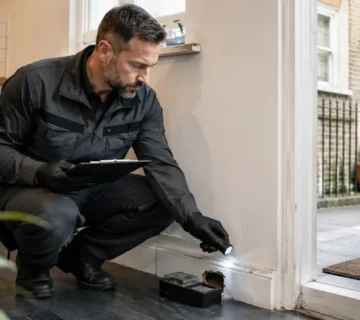
For serious bird problems, consider hiring the services of pest control. They can install more advanced deterrents and provide monthly service plans. They are also trained professionals in handling bird nesting humanely and by the law.
Legal Considerations
Note that some birds are protected, and the disturbance or destruction of their nests can land you in court with a fine, so check local regulations before implementing control measures.
Regular Maintenance
Inspect and Repair
Carry out the regular inspection of your premises for changes or evidence of bird presence. Deterrents must be maintained and in good order. Cleaning programs and vegetation control should be adhered to.
Monitor Effectiveness
Monitor the effectiveness of your deterrents. If birds return or another group of birds visits, modify methods as appropriate to prevent birds from returning. Often, it is a combination of strategies that works the most effectively.
Keeping birds away from your property combines practical strategies and continuing maintenance. By understanding the behaviour of birds and using a mix of physical barriers, deterrents, and professional help, you can protect the space to your maximum ability. This is something essential to retain over time.