Silverfish in the Bathroom: Causes, Risks, and Proven Ways to Eliminate Them
Bathrooms offer the ideal environment for silverfish: warmth, constant moisture, and darkness. These small, fast insects find their way into hidden spots, such as behind skirting boards, beneath sinks, and inside cupboards. Homeowners often notice them late at night when light reveals their presence. Once they arrive, infestations rarely stay small.
Understanding the reasons silverfish thrive in bathrooms is the first step. Let’s now explore what silverfish are and why they often show up indoors.
What Silverfish Are and Why They Appear Indoors
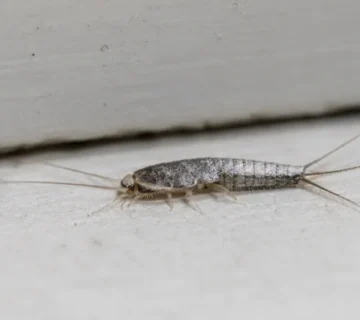
Silverfish are small, wingless insects with flat bodies, long antennae, and three tail filaments. Their scales reflect light, giving a silver sheen. Adults usually measure 12 to 19 millimetres.
They favour spaces with three key conditions:
- High humidity
- Low light
- Access to starch or organic material
Bathrooms deliver all three.
Shower condensation accumulates on surfaces. Traces of soap, hair, skin cells, paper, wallpaper paste, and book bindings provide nutrients for bacteria.
Silverfish also reproduce slowly but steadily. A female lays small clusters of eggs in hidden cracks. In a warm bathroom, these eggs hatch within weeks.
Without control, a few insects soon turn into a persistent indoor population.
Common Hiding Places in Bathrooms
Silverfish avoid open areas during daylight. They hide in narrow gaps where moisture remains high. Bathrooms provide many such spaces.
Typical hiding spots include:
- Behind skirting boards
- Under bath panels
- Inside vanity units
- Beneath loose tiles
- Behind peeling wallpaper
- Around pipe entry points
- Inside cupboards storing toilet paper or towels
They also climb well. Smooth tiles do not deter them. You may find them along ceilings or behind cabinets.
A single sighting often means several insects remain hidden nearby.
Damage Caused by Silverfish
Silverfish do not bite humans or carry major diseases, but still cause problems in homes.
Their feeding habits cause visible material damage. They chew on starch-based items and soft organic fibres. Over time, they may damage:
- Wallpaper and wallpaper glue
- Cardboard packaging
- Books and magazines
- Cotton fabrics
- Stored paper products
- Natural fibre rugs
In bathrooms, they often target toilet paper, tissue boxes, and toiletries packaging.
The damage appears as small, irregular holes or scraped surfaces. Paper edges may look thin or frayed.
Why Bathrooms Attract Silverfish More Than Other Rooms
Most household insects search for food first. Silverfish focus on humidity levels.
Bathrooms hold more moisture than most rooms. Steam condenses on surfaces; poor ventilation traps it overnight.
Several features make bathrooms ideal:
- Consistent humidity after bathing
- Warm plumbing pipes
- Limited daylight
- Cracks around tiles and fixtures
- Stored paper goods
Even a spotless bathroom can attract them if the humidity stays high.
How to Get Rid of Silverfish in the Bathroom
Successful control relies on removing moisture, blocking hiding places, and eliminating food sources.
Start with humidity control. Run an extractor fan during showers and for at least twenty minutes afterwards. If the bathroom lacks ventilation, install a fan or open windows regularly. Aim to keep humidity below 60%.
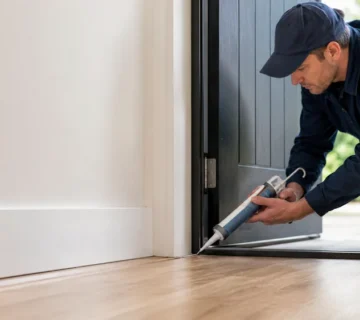
Next, reduce hiding spots. Seal small cracks around tiles, skirting boards, and pipe openings using silicone sealant or caulk. Repair peeling wallpaper and replace damaged grout.
Clean thoroughly. Remove soap residue, dust, and hair that collect behind toilets and under cabinets.
Natural deterrents also help. Silverfish dislike strong scents such as cedar, citrus oil, and lavender. Placing cedar blocks inside cupboards may discourage activity.
For heavier infestations, use boric acid powder or diatomaceous earth along baseboards and behind fixtures. These substances damage the insects’ outer layer, causing them to dehydrate.
Apply them in dry areas where children and pets cannot reach.
Preventing Future Silverfish Problems
Prevention depends on keeping the bathroom dry and sealed.
Adopt these habits:
- Wipe condensation from tiles after showers.
- Fix leaking taps or pipes immediately.
- Store paper products in sealed containers.
- Vacuum corners and skirting boards often.
- Keep cupboards organised and dry.
Regular inspection also matters. Look behind stored items and inside cabinets every few weeks.
Early detection prevents insects from multiplying.
When Professional Pest Control Becomes Necessary
Some infestations spread beyond the bathroom into bedrooms, kitchens, and storage spaces. When silverfish appear in multiple rooms, a broader treatment may be required.
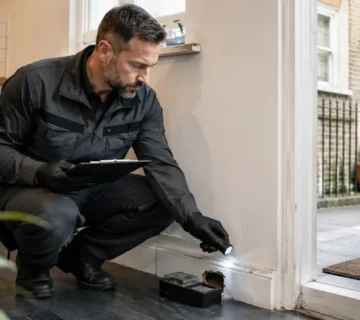
Professional pest specialists use targeted insecticides and monitoring traps to remove hidden populations. They also identify structural moisture problems that attract the insects.
In many cases, correcting ventilation or plumbing issues solves the root cause.
Final Thoughts
Silverfish in the bathroom signal excess moisture and a hiding place. These insects thrive in areas with high humidity and in small cracks that offer protection. Quick action prevents structural damage and keeps the infestation contained.
Dry air, sealed gaps, and consistent cleaning form the most reliable defence. Maintain those conditions, and the bathroom stops attracting these fast, silver pests.