Why Do Squirrels Chew Through Wires and Loft Insulation?
Squirrels may seem harmless, but their destructive behaviour can cause significant damage to your home. Among their most problematic actions is chewing through wires and loft insulation, both of which can lead to costly repairs and potential safety hazards. Understanding the reasons behind this behaviour can help you take preventive measures before the damage becomes too severe.
1. Squirrels’ Natural Instinct to Gnaw
Squirrels are constantly gnawing, and this instinct is deeply embedded in their biology. Unlike humans, squirrels’ teeth grow continuously. To keep their teeth at manageable lengths, they need to gnaw on objects. While trees and branches are their natural targets, when they enter human environments, they turn to wires, plastic, and insulation.
The Role of Tooth Growth
The continual growth of squirrel teeth means they must chew on hard surfaces to wear them down. Electrical wires and loft insulation often become victims because they are readily accessible, especially in attics or loft spaces where squirrels tend to nest.
2. The Attraction of Loft Insulation
Squirrels are opportunistic creatures. They are seeking shelter and warmth in places that provide security. Loft spaces are particularly inviting, offering a warm, quiet environment. Once inside, squirrels will use whatever they can to build nests, and loft insulation proves to be an excellent material for this purpose.
Chewing Through Insulation
Squirrels may chew through insulation for several reasons: to create a comfortable nest, to gain access to hidden food sources, or simply because they enjoy the texture. This behaviour can cause extensive damage to the insulation, reducing its effectiveness in regulating your home’s temperature.
Moreover, insulation often contains materials such as fibreglass or cellulose, which can irritate squirrels’ mouths. This irritation may make them chew more aggressively, further damaging the material.
3. The Appeal of Electrical Wires
Electrical wires in attics and loft spaces are another common target. Squirrels are known to chew through wires, especially when they are exposed or hanging loose in hard-to-reach areas. This behaviour is not only frustrating but also highly dangerous.
Why Squirrels Chew Wires
Squirrels are attracted to wires for two primary reasons: curiosity and comfort. The plastic coating around wires provides a soft, chewable texture, which appeals to squirrels. Additionally, electrical wires may be located in spots that offer access to other areas of the house, such as ventilation systems or potential nesting sites. Chewing on wires helps them explore their environment or gain entry into these spaces.
However, it is not only curiosity that drives them to chew wires. The wires are found in hidden places that offer warmth and shelter, which is particularly important during colder months when squirrels seek to stay warm.
4. Risk of Fires and Electric Shocks
Chewing through electrical wires isn’t just destructive—it’s dangerous. Squirrels that gnaw on wires can create short circuits or even electrical fires. The exposed copper inside the wires can create sparks if damaged, leading to a fire hazard in your home. It makes it crucial to identify and eliminate any squirrel activity as soon as possible.
Additionally, squirrels are at risk of electrocution, which is often fatal. If you suspect that squirrels have been chewing on wires, it’s critical to inspect your home for signs of damage. Don’t delay repairs, as even a small, exposed wire can be a danger.
5. Preventing Squirrel Damage to Wires and Insulation
Preventing squirrels from chewing through wires and insulation requires a combination of sealing entry points, removing attractions, and, in some cases, professional help.
Seal All Entry Points
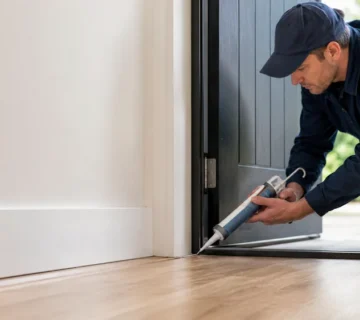
The first step is to seal all gaps and cracks that squirrels might use to enter your home. Inspect your loft or attic for openings around vents, rooflines, and chimneys. Use steel mesh or caulk to block these entryways. Be thorough in your inspection, as squirrels can squeeze through surprisingly small gaps.
Install Squirrel-Proof Materials
If squirrels are persistent, installing squirrel-proof materials in areas like the loft can help. Squirrel-proof wiring is available for electrical installations, which can reduce the likelihood of damage. Additionally, using harder-to-chew insulation can make the environment less inviting for squirrels.
Remove Food Sources
Squirrels are drawn to areas where food is easily accessible. Ensure to store food securely and remove bird feeders from the immediate vicinity of your home. It reduces the likelihood of attracting squirrels to your attic or loft space.
6. Professional Squirrel Control
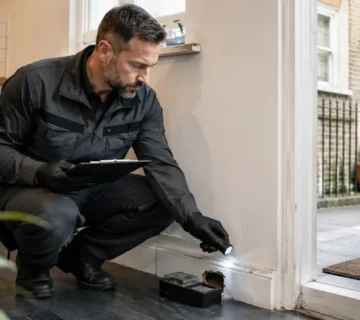
If you have tried all preventative measures and are still experiencing squirrel activity, it may be time to call in a professional pest control company. They can assess the situation, identify the extent of the infestation, and use humane traps or deterrents to remove squirrels from your property.
A professional pest control expert will also ensure that all entry points are sealed, preventing future invasions. They can also offer advice on how to keep your home squirrel-free in the long term.
Conclusion
Squirrels are notorious for chewing through wires and loft insulation as part of their natural behaviour. Their desire to gnaw on materials to keep their teeth in check, coupled with their need for shelter, makes your home a prime target. However, with the steps of sealing entry points, using deterrents, and securing food sources, you can protect your property from squirrel damage. If the problem persists, professional pest control is an effective solution to ensure your home stays safe.