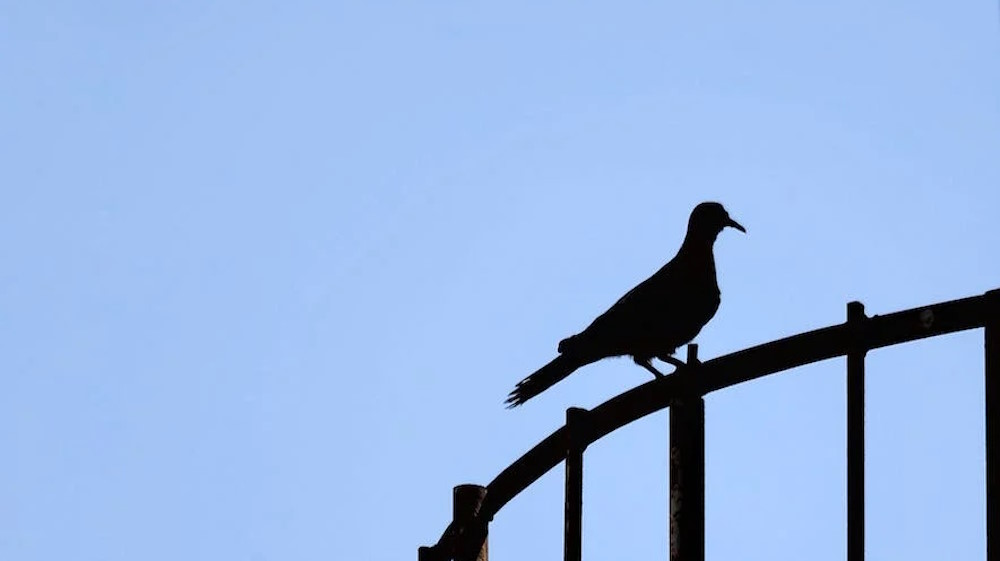
The Dangers of Pigeon Droppings
In the bustling urban landscape of Britain, pigeons have become a common sight, gracefully navigating the skies with their characteristic cooing. However, amidst their seemingly harmless presence lies a hidden danger that many of us tend to overlook – pigeon droppings. While it may appear innocent, these seemingly innocuous droppings can pose serious risks to both human health and the environment. In this article, we delve into the dangers of pigeon droppings and shed light on why it’s essential to address this issue for the well-being of our communities.
Health Hazards
Pigeon droppings may seem harmless, but they are far from it. Their faeces contain a variety of harmful microorganisms, including bacteria, fungi, and parasites. One of the most notorious pathogens found in pigeon droppings is Histoplasma capsulatum, a fungus responsible for causing the respiratory disease histoplasmosis. When dried droppings become airborne, individuals nearby can unknowingly inhale the spores, leading to severe respiratory problems.
Moreover, pigeon droppings can attract pests like flies and rats, further increasing the risk of disease transmission. The accumulation of droppings in public spaces, such as parks and sidewalks, can become breeding grounds for harmful pathogens, posing significant health threats to pedestrians and visitors.
Corrosion and Structural Damage
Aside from health risks, pigeon droppings can also cause damage to buildings and infrastructure. The acidic nature of pigeon droppings, if left unattended, can gradually corrode metal surfaces, including railings, statues, and building exteriors. Over time, this can lead to expensive repairs and compromises the structural integrity of the affected structures.
In historical sites and heritage buildings, the presence of pigeons and their droppings can be particularly detrimental. These droppings can erode delicate architectural elements, destroying intricate carvings and artefacts that are part of our rich cultural heritage.
Environmental Impact
The accumulation of pigeon droppings not only affects human health and structures but also the environment. Pigeon droppings contain high levels of nitrogen and phosphorus, which, when washed into water bodies during rainfall, can lead to nutrient imbalances in aquatic ecosystems. This phenomenon, known as eutrophication, promotes the growth of harmful algae and aquatic plants, disrupting the natural balance and leading to ecological degradation.
Preventive Measures
To safeguard public health and protect our environment, taking preventive measures against pigeon droppings is imperative. Several strategies can be employed:
a. Hygiene and Cleaning: Regular cleaning of pigeon-infested areas is crucial in minimizing health hazards and structural damage. Cleaning crews equipped with proper protective gear should carry out this task.
b. Pest Control: Implementing non-harmful pigeon deterrents, such as netting, spikes, or ultrasonic devices, can discourage pigeons from roosting in problematic locations.
c. Public Awareness: Educating the public about the dangers of pigeon droppings and the importance of maintaining cleanliness can foster a collective effort in tackling this issue.
d. Green Spaces Management: Properly managing green spaces to deter pigeons from nesting can reduce the impact on the environment.
Conclusion
While pigeons may evoke nostalgia and a sense of urban charm, it is essential to acknowledge the potential dangers they pose through their droppings. By understanding and addressing the hazards associated with pigeon droppings, we can create cleaner, safer, and healthier urban environments for ourselves and future generations. Striking a balance between coexisting with these winged creatures and protecting our health and heritage is paramount in building sustainable and vibrant communities across Britain.