How Does Pest Control Get Rid Of Rats?
Rats are a pest you don’t want to have inside your home. These rodents can carry disease and cause damage to your property, so it’s important to get rid of them quickly.
One way to control a rat infestation is to bait traps. You can use any food-like substance attractive to a rat, such as a peanut butter or raisin bread, and fasten it tightly to the trigger of a trap.
Traps are an effective, inexpensive way to control a rat problem. You can set traps in your garden or behind your cabinets. You can even set traps in your attic.
However, if the infestation is severe, it is best to contact pest control service. If you want to know how pest control can help you get rid of rats, continue reading.
What Is Pest Control for Rats?
Pest control is a necessary investment to protect your home and family from the dangers of rodents, insects, and other invading creatures. Whether it’s a single rat or a total infestation, a licensed pest control professional is familiar with the best solutions for your particular problem.
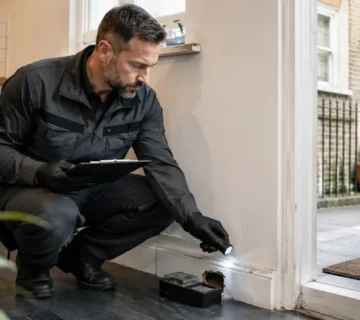
Rats can get inside your home through tiny cracks and openings. This is why it is so important to seal up all of your house’s entry points. A pest control company can come and do a thorough inspection of your house for potential entry points, sealing these up and setting traps.
They also offer professional advice on how to keep rodents away for the long term. It will ensure you don’t have to worry about getting a rat infestation again.
How Does Pest Control Get Rid of Rats?
Pest control gets rid of rats by using baits, traps and poisons. These are safe to use around children and pets. Here are some techniques used by pest control experts to get rid of rats.
Inspection
Rats are notorious for getting into a home through holes. Inspections are used to prevent this from happening. Inspecting for obvious access points, like damaged drains, cracks in the garage door, and spaces in the foundation, can help you identify where rats are coming in. Pest control experts will conduct a thorough inspection of your house to find potential entry points for rats.
Sealing Up Entrances
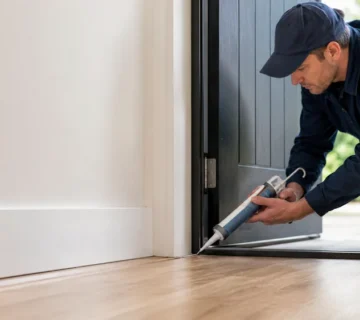
Rats can enter your home through tiny cracks, gaps and holes that look small. Sealing these entry points prevents pests from entering your home and keeps them out for good. You can use caulk, steel or both to seal these openings. Pest control experts can help you seal all the entry points in your home to prevent and control rat infestation. Sealing these entry points is the best way to keep them from getting into your home and causing damage.
Baits and Poisons
There are several types of poisons and baits used to prevent rats from entering the home. Some are slow-acting and take days to kill rodents, while others are fast-acting and work immediately. Rat baits come in a variety of forms, including blocks, nuggets, seeds, and bars. Bars are more powerful and can be placed anywhere you suspect rats are causing damage. Pest control experts can use different types of baits and poisons, to catch and get rid of rats from your home.
Carbon Monoxide
In some cases, a pest control service will use carbon monoxide to get rid of rats. This method works similarly to poisoning and traps, but it carries fewer risks. A pest control technician will place dry ice in a rat burrow. It will melt and release carbon dioxide. The resulting fumes will kill any surviving rats within minutes.
Traps
One of the most effective ways to get rid of rats is trapping. Professional pest control services can use live traps or electro-shock traps to kill them quickly and efficiently. Using traps is an effective, inexpensive, and safe method of preventing rats from entering your home. Traps can be set outdoors or indoors.
Conclusion
It is important to remember that rats are not a pest to be taken lightly; they can cause a lot of damage to homes and businesses. If you are a homeowner or landlord and have noticed rats in your home, then you must contact a pest control professional immediately to remove them. Pest Control can get rid of rats in a variety of ways; some are much easier and more affordable than others.