What are the little black bugs on my windowsill in autumn?
Most little black bugs on an autumn windowsill are thrips, fungus gnats or harlequin ladybirds. Size tells you which: 1 to 2mm is a thrips, 2 to 4mm is a fungus gnat, and 5 to 8mm is usually a ladybird.
That is the quick answer to what are the little black bugs on my windowsill in autumn are. The rest of this post helps you confirm it.
Three suspects, sorted by size
Under 2mm: thrips
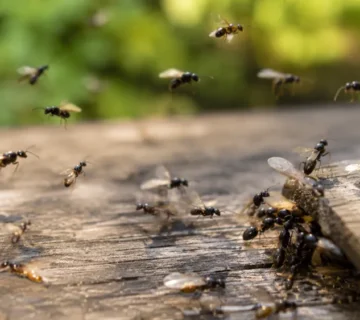
Thrips, often called thunderflies, are slim, dark and 1 to 2mm long. They drift in on warm days and end up crawling over the glass. They feed on plants, though the odd one may nip your skin. A vacuum nozzle clears them in seconds.
2 to 4mm: fungus gnats
These look like tiny dark mosquitoes with a wobbly flight. They breed in damp houseplant compost, and one life cycle takes about a month. A few gnats in October can become a swarm by November.
5 to 8mm: harlequin ladybirds
Harlequins reached Britain in 2004. The dark form is black with red spots, so a glance sees a black bug. In autumn they hunt for sheltered winter spots, and window frames suit them.
8 to 10mm: cluster flies
If the insect is bigger, grey-black, golden-haired and slow on the glass, it is a cluster fly. They overwinter in lofts and wall cavities, and they often return to the same building each year.
Why autumn brings them to the glass
Cooler nights send insects looking for shelter. Central heating then warms them, and they crawl towards the light. Houseplants that come in from the garden carry gnats indoors too.
A three-step check before you spend any money
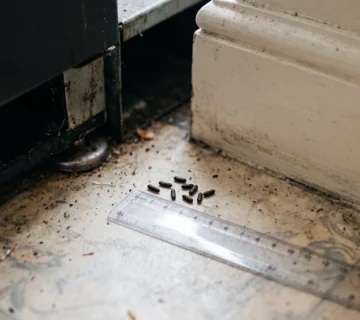
- Hold a ruler next to one bug and measure it.
- Water your nearest houseplant and watch for small flies rising from the compost.
- Count the bugs for three days. A steady daily trickle points to a breeding spot. A few on warm days point to visitors.
Mistakes that keep them coming
Spraying the sill with insecticide is the usual one. It kills what you can see and ignores the source, whether that is wet compost or a loft full of flies.
Squashing harlequin ladybirds is another. They release a smelly yellow fluid that can stain, so vacuum them or lift them out on a sheet of paper. Overwatering also feeds gnats, so let the top 2cm of compost dry between waters.
When a vacuum is not enough
A few insects on warm days need nothing more than a vacuum. A pack of yellow sticky traps costs a few pounds and catches adult gnats while you fix the watering.
Dozens of bugs every day, or 8 to 10mm flies coming from above, mean the source is hidden. PestFreeMike finds where they shelter and deals with it across London.
Questions people ask about windowsill bugs
Are they dangerous?
Not in the way rats are. Thrips and harlequins may nip, and fungus gnats do not bite. None of them damage the structure of your home.
Will they go away on their own?
Adult gnats live about a week, so numbers fall fast once you remove the damp compost. Harlequins usually stay put until spring.
Why only the windowsill?
Insects head for light and warmth, and a window gives them both.
Could they be bed bugs?
No. Bed bugs are reddish-brown, flat and 4 to 5mm long, and they hide in bedding and furniture, not on sills.
The short version
So, what are the little black bugs on my windowsill in autumn? Usually thrips, fungus gnats or harlequin ladybirds, and size decides which. Measure one, check your plants and deal with the source. If the numbers keep climbing, PestFreeMike can track it down.