How Often Should I Schedule Pest Inspections?
Any homeowner has to have pest-free surroundings. Pests can endanger your family’s health and seriously harm your belongings. Frequent pest inspections help find and stop infestations before they get out of hand. But how often ought you to plan these visits? The response changes depending on several variables.
Knowledge of Pest Activity
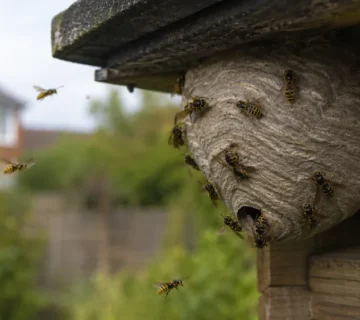
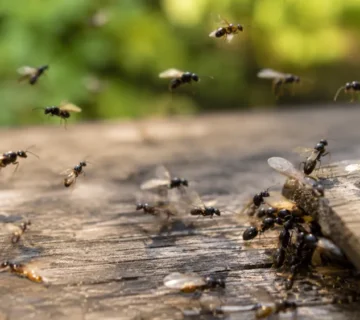
Variations in pest activity span the year. Certain seasons bring more or less common occurrences of some pests. For example, whereas rodents usually find cover in the winter, ants and wasps prefer warmer months. Knowing these trends helps schedule your inspections.
Recommended Inspection Frequency
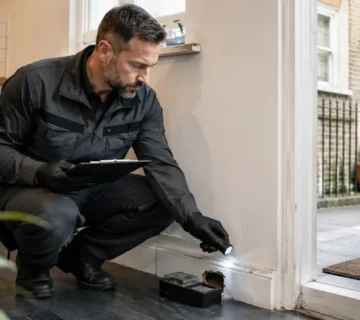
Generally speaking, most professionals advise pest inspections at least once a year. This yearly visit aids in early infection detection. Professionals can evaluate possible points of access and suggest preventative action during inspection. Some circumstances, nevertheless, can trigger more regular inspections.
High-Risk Environments
If you reside in a bug-prone location, think about twice-year inspections. Sites close to wooded areas or bodies of water could witness more insect activity. Frequent pest issues should also drive more frequent inspections of properties. Homes with termite problems, for example, should have more frequent inspections to identify any possible hazards early on.
After Major Renovations
Plan an examination soon after substantial improvements or construction if you recently finished them. Renovations can disturb and force bug habitats into your house. New materials and architectural house modifications could expose weaknesses. An inspection following renovation might help to guarantee your property stays pest-free.
When Moving into a New Home
Always schedule a pest check before moving into a new house you are buying. This proactive approach points up any current infestations. Long-term savings of time and money can come from knowing the history of your new property. To guarantee the property stays pest-free, plan follow-up visits within the first year.
Seasonal Considerations
Pest activities alter with the seasons. Plan a spring examination, for instance, as bugs emerge from hibernation. Your house will be ready for the warmer months thanks in part to this examination. Check once more in autumn to stop pests from looking for warmth indoors when the temperature falls. These seasonal checks help to lower the infestation danger.
Signs You Need an Inspection
Look for indications that call for an outside-of-the-usual schedule inspection.
- Strange sounds in the walls, such as scratching or scuttling.
- Visible droppings in areas like the kitchen or pantry.
- Unexplained bites on family members or pets.
- Nesting materials in hidden corners or attics.
Should you observe any of these, do not hesitate to set up an emergency inspection.
Choosing the Right Pest Control Service
Choose a consistent pest control company for visits. Search for businesses with good ratings and track records. Excellent services will offer thorough inspections, reports, and ideas for preventative action. Enquire about their approach to inspections and follow-up procedures to guarantee you get the treatment.
Conclusion
Maintaining a safe and healthy house depends on well-planned pest inspections. An annual inspection is sufficient, but particular issues could trigger more frequent inspections. Look at your surroundings, seasonal variations, and any indications of pest activity. Being proactive helps you to control pest hazards and guard your home.