What to Expect During a Pest Control Treatment?
Maintaining safe and healthy surroundings in homes and companies depends on the essential service of pest control. Knowing what to expect from a pest control treatment helps to reduce worries and improve your experience. We include the main phases and factors during the pest control process.
Initial Consultation
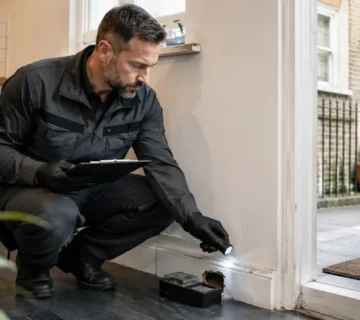
A qualified pest control technician visits before any treatment starts. This is a vital stage. Examining the property for indicators of pest activity, access points, and possible nesting sites, the technician probes the pest issue, including when you first observed it and any past efforts at resolution. This careful assessment guarantees that the treatment is catered to your particular requirements.
Treatment Plan Development
The technician will develop a tailored treatment plan based on the initial examination. This strategy lists the pests involved and the techniques meant to eradicate them. The technician will go to great lengths on every treatment, including the products they will use. This openness fosters confidence and helps you to be aware of the course of the treatment.
Preparation for Treatment
Get ready for the treatment day. Guidelines from the technician will guarantee efficacy and safety. Typical preparations include:
- Clearing the area: Clear the area of personal belongings, toys, and furniture away from treatment locations. This access facilitates effective and efficient working.
- Securing pets: Pets should be away from treated areas. It guarantees their security and helps to reduce stress.
- Covering food: Stow food goods in sealed containers. This guards against their coming into touch with treatment products.
The process of pest management depends on these stages.
The Treatment Process
The technician will show up at the agreed-upon time on the day of treatment. Their approaches will vary based on the kind of pest.
Common methods include:
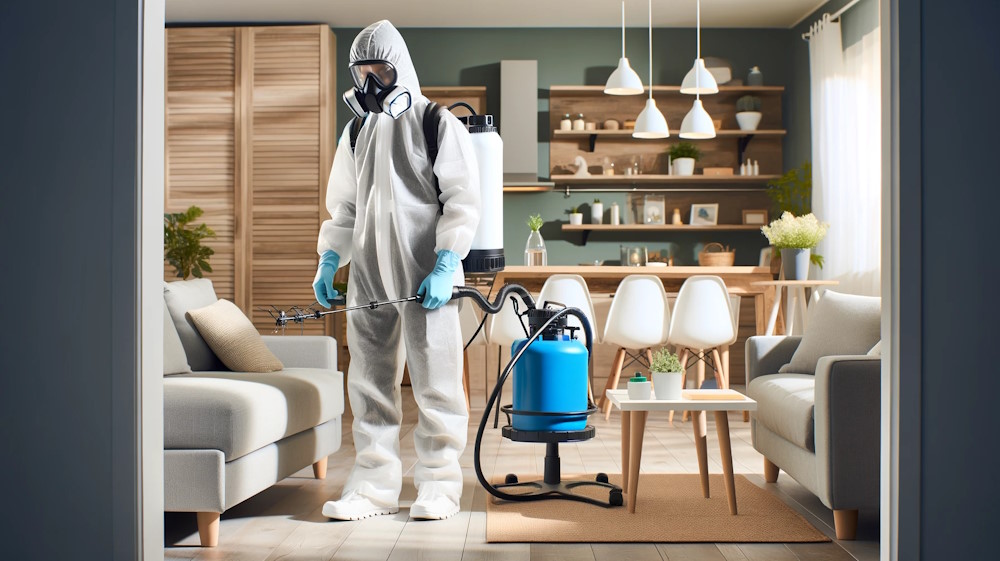
- Chemical Treatments: These entail pesticides meant for the target pest. To enhance efficacy, the technician will spray or administer the product in spaces.
- Baiting Systems: For some pests, such as ants and cockroaches, baiting devices draw and poison them, hence lowering their population over time.
- Traps: Regarding rats, traps could be positioned deliberately to catch and eliminate them securely.
The technician will talk with you throughout the procedure. They will explain their actions and offer safety tips.
Post-Treatment Advice
The professional will advise on keeping pest-free surroundings following treatment. Preventing the infestations depends on this kind of guidance. You might get recommendations like:
- Monitoring: Look where pests are most likely to show up. Frequent inspections assist in spotting problems early on.
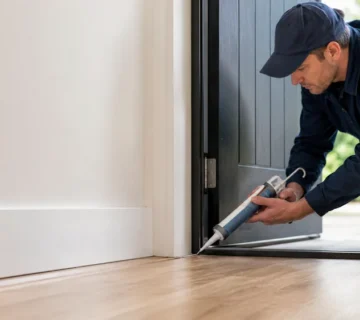
- Sealing Entry Points: Make sure doors, windows, and other access points are sealed correctly to stop pests from getting back off.
- Maintaining Cleanliness: Keeping cleanliness in the surroundings helps prevent pests. Prevention of pests depends on regular cleaning and appropriate waste management.
Follow-Up Treatment
Follow-up treatment is not necessarily a one-time occurrence. The type of pests and degree of the infestation will determine whether follow-up treatments are required. The technician will go through the requirements of these extra visits and what to expect from them.
Conclusion
Knowing what to expect from a pest control project lowers anxiety and creates well-defined expectations. From the first visit to post-treatment recommendations, every stage is vital for good pest control. Reliable pest control will help you create a pest-free atmosphere so guaranteeing the comfort and safety of your area. Remember that long after treatment, a pest-free environment depends on proactive actions.