What Should I Know About Rat Nesting Habits?
With regard to nesting, rats are renowned for their flexibility and ingenuity. Management and prevention need an awareness of their breeding patterns. Important facts regarding rat nesting habits, preferred sites, and the materials used to build their nests are below.
Preferred Nesting Locations
Rats choose sheltered and concealed places to build their nests. Typical nesting places are:
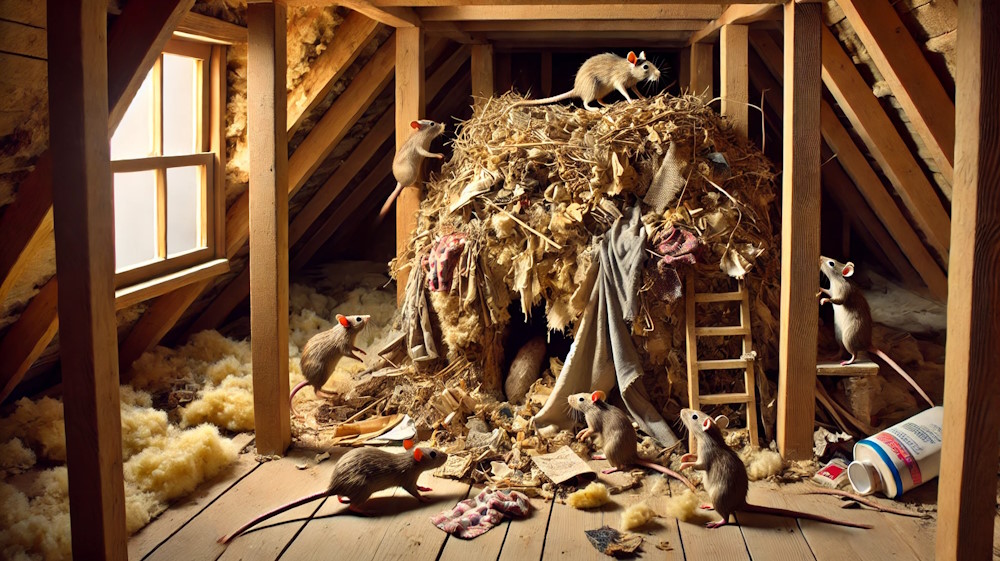
- Attics and Loft Spaces: These areas give warmth and isolation, making them perfect for nesting. Rats often obtain access through holes in vents, roofing, or crumbling buildings.
- Basements and Crawl Spaces: Dark, wet basements and crawl spaces draw rats. Restricted human activity in basements provides a safe refuge for nesting.
- Behind Walls: Rats can create nests between wall cavities by squeezing through minute holes. They readily construct their houses in these secret areas and look for protection from the outer world.
- Outdoor Areas: Rats would nest close to food sources. They frequently build burrows under sheds, in gardens or compost piles. Dense plants provide cover and predator protection.
Nesting Materials
When it comes to supplies, rats are not discriminating. They construct their nests out of a range of objects. Several common nesting materials are:
- Insulation: Rats can shred insulation materials off walls or attics to build warm nests. They want readily manipulated soft, fibrous materials.
- Paper and Cardboard: They will rip apart whatever paper items they come across, including cardboard boxes and newspapers. These building components offer structure and insulation.
- Fabric and Textiles: Rats find appeal in clothing, curtains, and other fabric objects. To create a cosy nesting spot, they cut these materials.
- Plant Material: To build their nests, outdoor rats may gather grasses, twigs and dried leaves. These natural materials fit nicely in their environment.
Breeding and Nest Size
Rats reproduce quickly, and their nests can soon get packed. Female rats can produce up to 12 pups; they might have multiple litters annually. Usually, the size of nests rises with population.
Usually, a rat nest’s diameter falls between 12 and 18 inches. Nests can get bigger and more intricate as the rat count in a given region rises and includes several chambers to house young rats.
Signs of Rat Nesting
Early identification of a rat population helps to avoid damage and health hazards. Search for the following signals:
- Droppings: Usually tiny, black, and cylindrical rat droppings. They show up close to food sources, breeding sites, or along commonly used paths.
- Gnaw Marks: Rats chew constantly on different materials to prevent their teeth from getting too long. Inspect wood, plastic, and even electrical wiring for bite marks.
- Urine Stains: Rats leave behind a pungent smell, sometimes accompanied by yellow pee stains. It can show routes and places of nesting.
- Noises: Scratching sounds, especially at night, can signal rats are active in the floor, ceiling, or walls.
Preventing Rat Nesting
Think about the following preventative steps to discourage rats from nesting in or around your house:
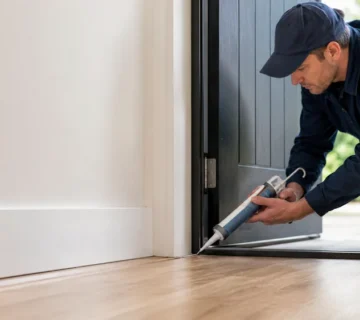
- Seal Entry Points: Look over your property for holes and gaps to seal entrance points. Seal access points with metal flashing, wire mesh, or caulk.
- Eliminate Food Sources: Store food in sealed containers to cut off sources. Quickly clean crumbs and spills. Sort trash often and safely.
- Maintain a Clean Environment: Maintaining a clean environment means cutting clutter both inside and outside. Maintain clean gardens free of trash. Cut overgrown plants to restrict hiding areas.
- Use Traps: If you suspect an infestation, set traps where you observe evidence of rat activity. Based on your inclination, choose humane or snap traps.
Conclusion
Pest control depends on an awareness of rat nesting patterns. Knowing where they nest, what materials they use, and the indicators of infestation will enable you to act early. Using preventative measures helps you reduce the possibility of rat breeding in your house and shield your living area from possible threats like damage.