Dealing with Stinging Insects: Wasps, Bees, and Hornets
Introduction to Stinging Insects
Stinging insects like wasps, bees, and hornets cause allergic reactions in most people. Correct identification of these insects, familiarization with their behaviours, and their management are necessary. They are essential in the ecosystem but may be a nuisance or hazardous by themselves.
Identifying Wasps, Bees, and Hornets
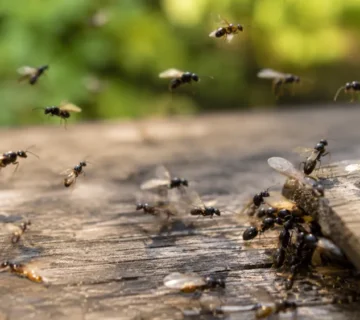
Wasps are small, smooth, narrow-bodied insects typically brightly coloured yellow and black. They are aggressive and can sting multiple times; the most common types are yellow jackets and paper wasps.
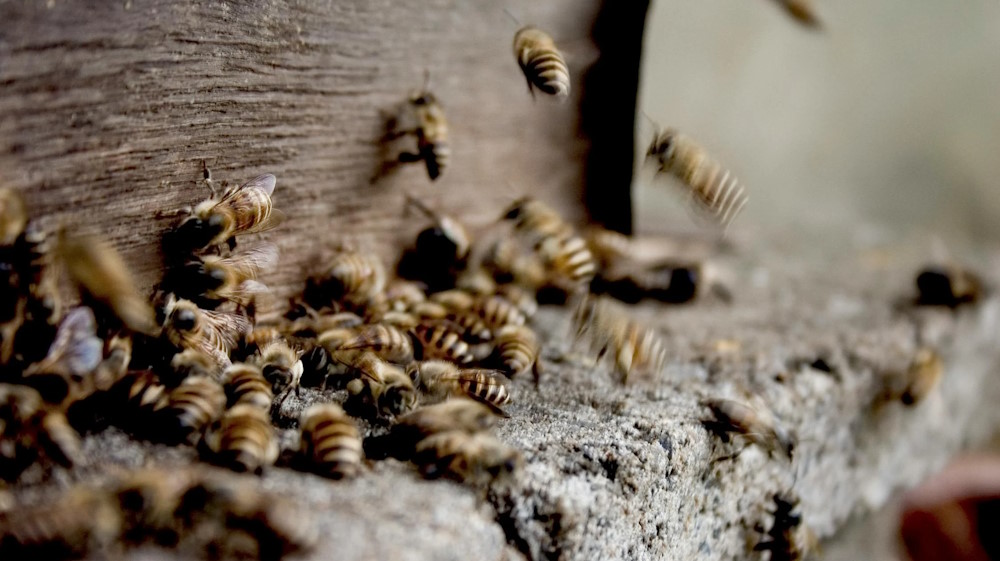
Bees, especially honeybees and bumblebees, are stockier and hairier. They play a vital role in pollination. Bees can only sting once because they lose their stinger and die afterwards.
Hornets are enormous and more aggressive than both wasps and bees. Their sting is quite painful, and one can recognize them with their robust bodies, dar, or black colouration with yellow markings.
Understanding Their Habitats
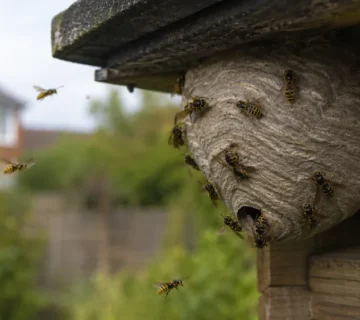
They build their nests in protected sites, including under eaves, attics, or underground. Chewing wood fibres and salivary secretions into a paper-like material is how they construct their nests.
Bees prefer nesting in hollow trees, beehives, or, at times even walls. The nest is made of wax, which the bee makes on its own.
Hornets construct large, rounded nests out of trees or bushes. It is rumoured that some species, such as the Asian giant hornet, can even nest on the ground.
Treating Wasp Sting
If you come across a wasp nest, it is best not to disturb the found nest. Because of this, wasps tend to be very aggressive. In those cases where a nest simply must be approached, do so while wearing protective clothing. In most instances, professional pest control is best. For more minor infestations, you may want to try using a store-bought wasp spray. These should be applied as late in the evening as possible since wasps are more at rest then. Always read and follow all label directions closely.
Managing Bee Populations
Bees usually sting to defend themselves less aggressively than other stinging insects, such as wasps or hornets. If you find a hive of bees on your property, you are strongly advised to summon the services of a local beekeeper. The beekeeper will gather the bees without any threat to anybody. This is also a great way to converse with the bee population, which is important for pollination. Don’t use pesticides; they harm other good insects and the environment.
Handling Hornets
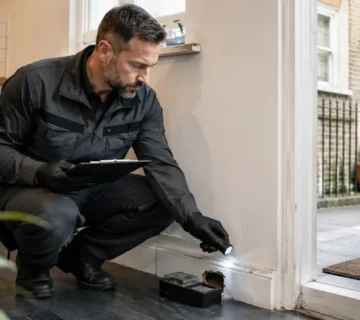
Hornets, in particular, are very aggressive. If you should locate a hornet nest, do not attempt to deal with it yourself. Call a professional pest control service. They have the appropriate equipment and skills to deal with hornets safely. Keep your distance from the nest, and keep children and pets away.
Preventative Measures
To keep an infestation of wasps, bees, or hornets from building a nest in or around your home:
Seal Entry Points: check open cracks and openings in your house and seal them to prevent insects from entering.
Take away food sources: keep food covered if outdoors. Dispose of rubbish properly and keep bins closed.
Avoid solid scents: the smell of perfumes and sweet-smelling lotions will attract these insects.
Regular inspections: make it a point to check your property regularly for any signs of nests. Early detection can ward off larger infestations.
What To Do for Stings
If stung by a wasp, bee, or hornet, follow these steps:
- Remove the sting: In case you are stung by a bee, remove the sting by scraping it out with a blunt-edged object. Do not try to squeeze it, as this may release more venom.
- Clean the area: The area should be cleaned with soap and water.
- Apply a cold pack: This will relieve swelling and pain.
- Use antihistamines: Take antihistamines to reduce the itch, and swelling.
- Seek medical help: If you experience severe reactions like difficulty breathing, swelling of the face or throat, and dizziness, these symptoms may cause an allergic reaction.
Conclusion
The management of stinging insects must balance respect for their place in the environment and treading with caution to avoid unnecessary risk or danger. Identifying the insects and understanding their behaviour, as well as recommendations in management, will prevent such unnecessary risks to ensure protection. Ensure that you seek professional assistance, especially for nests of wasps and hornets, to avoid such dangers of stings. Ensure that you take precautions to reduce the likelihood of this happening.