How to identify bed bugs
Bed bugs, the tiny nocturnal pests that once plagued our ancestors, have made a notorious resurgence in recent years. These unwelcome visitors can wreak havoc on your sleep and leave behind itchy, red bites. To effectively combat these resilient critters, one must first master the art of identification. In this comprehensive guide, we will delve into the world of bed bugs, learning to distinguish them from harmless look-alikes and uncovering key strategies to prevent infestations. So, grab your magnifying glass and let’s embark on a journey of bug-hunting like never before!
Chapter 1: Understanding Bed Bugs
Before we can identify these elusive creatures, it’s essential to grasp their basic characteristics. Bed bugs (Cimex lectularius) are small, wingless insects with flat, oval-shaped bodies that are about the size of an apple seed when fully grown. They are reddish-brown, but they turn darker and more bloated after a blood meal. With their minuscule size and nocturnal habits, they are often hard to spot, which is why a thorough investigation is necessary.
Chapter 2: Signs of Bed Bug Infestation
Although bed bugs are skilled at hiding, they leave behind subtle clues of their presence. Keep an eye out for the following signs to confirm a potential infestation:
- Rusty or reddish stains on bed sheets, mattresses, or furniture, caused by crushed bed bugs or their excrement.
- Tiny, pale yellow eggs or shed skins in crevices and cracks near their hiding spots.
- An unpleasant, musty odour in the infested area, emanated from the bed bug’s scent glands.
Chapter 3: Bed Bug Look-alikes
Identifying bed bugs can be challenging, especially when several insects resemble them. To avoid misidentification, it’s essential to distinguish them from similar-looking bugs:
- Carpet Beetles: Often mistaken for bed bugs due to their similar size and shape, carpet beetles are harmless and do not feed on blood. They have distinct patterns on their backs and may have coloured scales.
- Bat Bugs: Close relatives of bed bugs, bat bugs are challenging to differentiate. However, they primarily feed on bats and will disappear if their hosts are removed.
- Booklice: These tiny creatures are harmless and feed on mould or fungi, not blood. Unlike bed bugs, they have softer bodies and do not bite.
Chapter 4: Conducting a Bed Bug Hunt
Now that we know what to look for let’s embark on a bed bug-hunting expedition. Here’s a step-by-step approach to conducting a thorough search:
- Strip the bed: Start by removing all bedding, including sheets, pillowcases, and mattress covers. Check the seams and crevices of the mattress thoroughly.
- Inspect furniture: Examine any nearby furniture like nightstands, headboards, and couches. Focus on the cracks and joints as bed bugs like to hide in tight spaces.
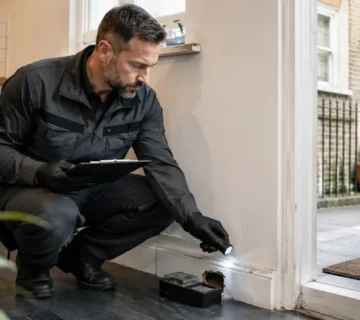
- Look for hiding spots: Use a flashlight to inspect any dark or hidden areas, such as baseboards, electrical outlets, and picture frames. Bed bugs can squeeze into the tiniest spaces.
- Check clothing: Look through your clothes, especially those stored near the infested areas. Bed bugs may hitchhike and find new hiding spots in your wardrobe.
Chapter 5: Preventing Bed Bug Infestations
Prevention is always better than extermination. To safeguard your home from bed bugs, consider the following preventive measures:
- Regular cleaning: Maintain a clean and clutter-free environment, as this reduces potential hiding spots for bed bugs.
- Use protective covers: Invest in bed bug-proof mattress and box spring encasements to prevent infestations or trap any existing bugs inside.
- Inspect second-hand items: Before bringing used furniture or clothing into your home, inspect them thoroughly for any signs of bed bugs.
- Be cautious while travelling: Check hotel rooms for signs of bed bugs before settling in, and store your luggage on a luggage rack or away from the bed.
Conclusion
Identifying bed bugs is a crucial first step in protecting your home and health. By understanding their appearance, recognizing the signs of infestation, and conducting thorough inspections, you can stay one step ahead in the battle against these persistent pests. Remember, early detection is the key to preventing a full-blown infestation. Armed with this knowledge, you can sleep soundly, knowing that you’re well-equipped to face any bed bug challenge that comes your way. Happy bug-hunting!