Wasps – It’s That Time Of Year Again
Wasps are bee-like insects with narrow-waisted borders. They are neither bees nor ants that usually sting their prey. Staying like the bees, the Wasps remain in the same nest with a single egg-laying queen, and the rest are non-reproducing labours. The world’s smallest Wasps are also known as the smallest winged insect with the body measuring 0.15mm.
Wasps are a varied group of insects that have a hundred thousand types, where some are even undiscovered. Giving a typical example would be of a stifling Fig tree where a specific kind of Fig Wasp cross-pollinates and is classifies as the Fig Wasp.
Wasp Season
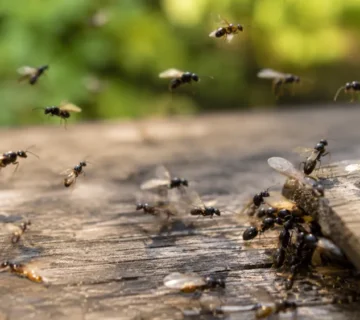
As spring and summers draw closer, the Wasp time of year draws closer. Unlike bees, wasps do not die after stinging their prey—the reason why most people dread these not-so-friendly flying insects.
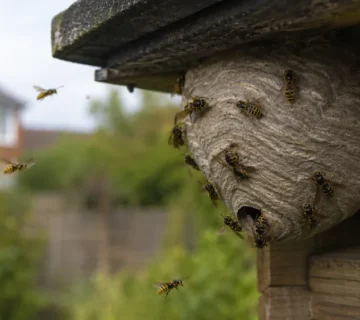
As days get warmer, we usually find them scavenging for nesting resources. They typically forage on barks of trees and wood chippings for making nests. When you see a wasp going in and out of air conditioner vents or even any small holes, that’s when you can make sure of a wasp nest around.
These insects, other than their stinging phenomenon, do pay a significant role in the ecosystem. They are feeding on not just pollen but also various kinds of insects and spiders. Unlike bees, they do not make honey but can assuredly be called useful in their way.
Wasp nests
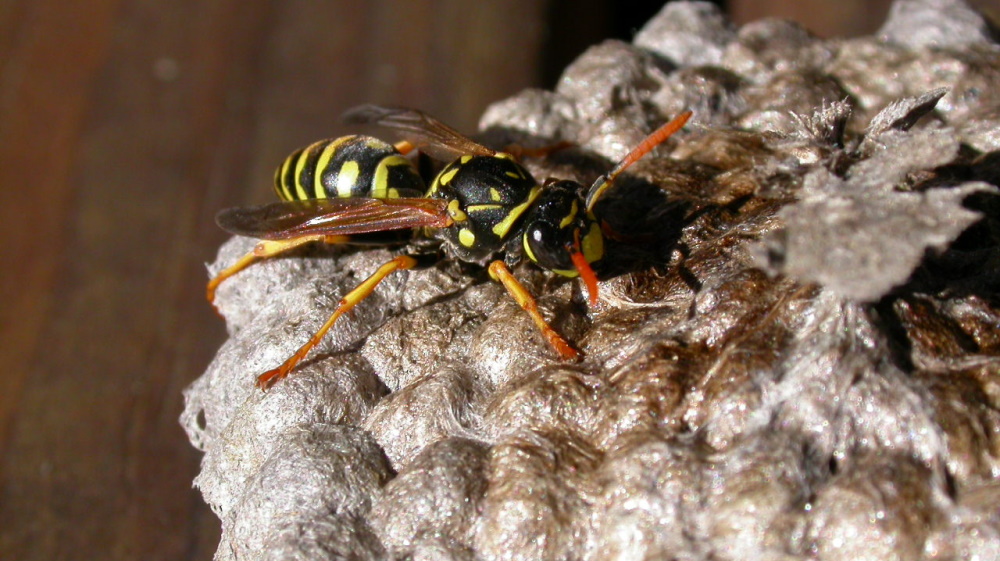
If you are experiencing a lot of wasp encounters daily, that means there is a wasp nest nearby. These insects build their nest mostly on homes. Homes are safe places as they remain unapproachable to their predators and also satisfy all their requirements for building a nest. Weather-beaten wood fibre is mixed with the worker bees saliva that forms into a pulp and is later used to figure the nest. Places which are hard to reach for a human or any harm is their favourite spot. Places like drooping rooftops, corners that are high and even chimneys are their ideal spot.
What do wasps do
The summer times are usually for structuring gatherings that the queen does by laying eggs continuously. The worker wasps carefully protect the eggs that hatch and form into larvae and are within the nest. The workers usually feed the larvae by hunting insects, and these eventually grow up to be worker wasps. This process is repeated the entire summer. Therefore, houses that are located near insect hovering areas, rivers, jungles, gardens or even where there is a lot of garbage one is likely to find wasps.
Protecting homes
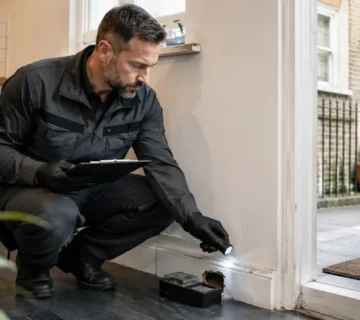
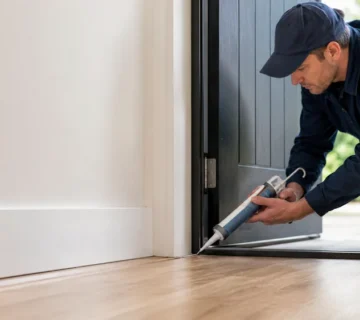
If there are wasp nests that are already around your house, the best thing to do is removing them first—doing the job by oneself if quite risky hence, precautions are necessary. Removing rotting wood logs or damaged wood surfaces is the first step. Next would be preventing other insects from hovering around by pest control. These simple steps would eventually help a lot in the wasp seasons.